












“You can take an Indian out of India, but you can never take achaar out of an Indian meal.”
It’s a line said half in jest, yet it carries a deep truth. Across continents and time zones, Indian kitchens may change, dining tables may look different, but one thing often remains constant — a small jar that holds far more than spice. It holds memory, comfort, and identity.
That is where the story of Nilon’s Enterprises begins — not in a factory or a boardroom, but in the emotional geography of Indian homes.
Why Achaar Is Never Just Achaar
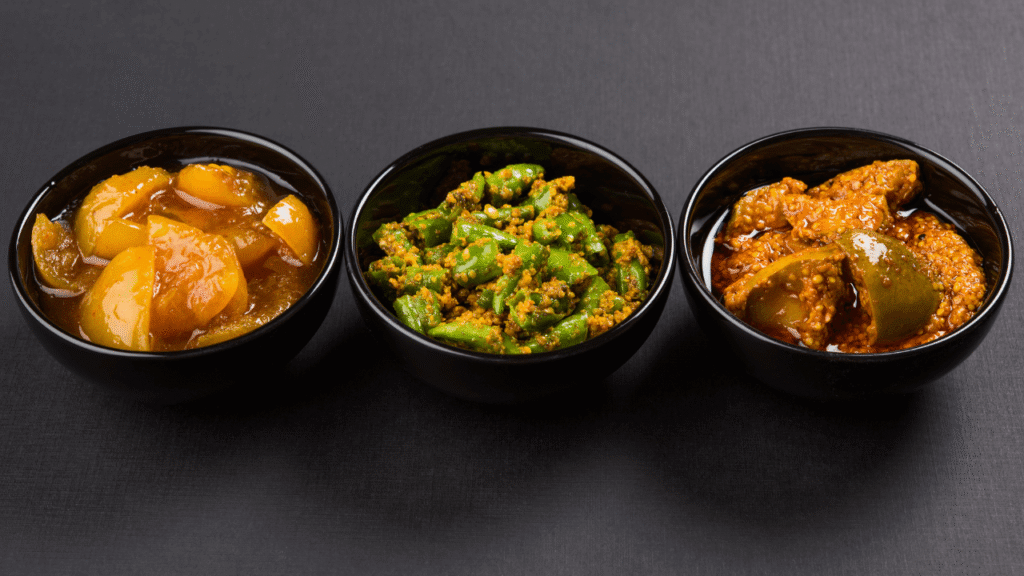
In India, pickles are not an afterthought. They are an emotion. A supporting character that often becomes the hero of the meal. A simple plate of dal and rice feels incomplete without that one spoonful that wakes up the senses. Achaar adds boldness to simplicity and character to routine.
For generations, pickle-making has been an act of patience. Sun-drying, mixing, tasting, waiting. It was never rushed. It taught restraint, timing, and faith in process — qualities that quietly mirror how enduring businesses are built.
As Indians began travelling, migrating, and settling across the world, achaar travelled with them. Often wrapped carefully, sometimes hidden between clothes, occasionally opened only on special days. In many diaspora homes, it became the strongest reminder of where one came from. Achaar, in its own quiet way, became one of India’s earliest global food stories.
When Taste Became Trust
When Nilon began its journey in 1962 in Maharashtra, packaged pickles were not common. Most families made their own. Buying achaar from outside required trust — trust that the taste would feel familiar, not manufactured.
Nilon didn’t grow by chasing attention. It grew because people returned to it. Shopkeepers noticed repeat customers. Families stuck with the same jar year after year. Slowly, the brand became part of everyday Indian life — present, dependable, and unassuming.
It wasn’t marketed as iconic. It simply became indispensable.
A Legacy at a Crossroads
Like every long-standing family enterprise, Nilon eventually reached a point where continuity alone was not enough. Markets were changing. Competition was intensifying. FMCG was becoming faster, louder, and more aggressive.
That moment of responsibility arrived when Dipak Sanghavi stepped into leadership at a young age. At the time, Nilon was a respected name, but still modest in scale, with revenues under ₹8 crore (under $1 million USD).
The challenge before him was not whether the business could grow, but how to ensure that growth did not dilute what people already loved.
Growth Without Losing the Soul
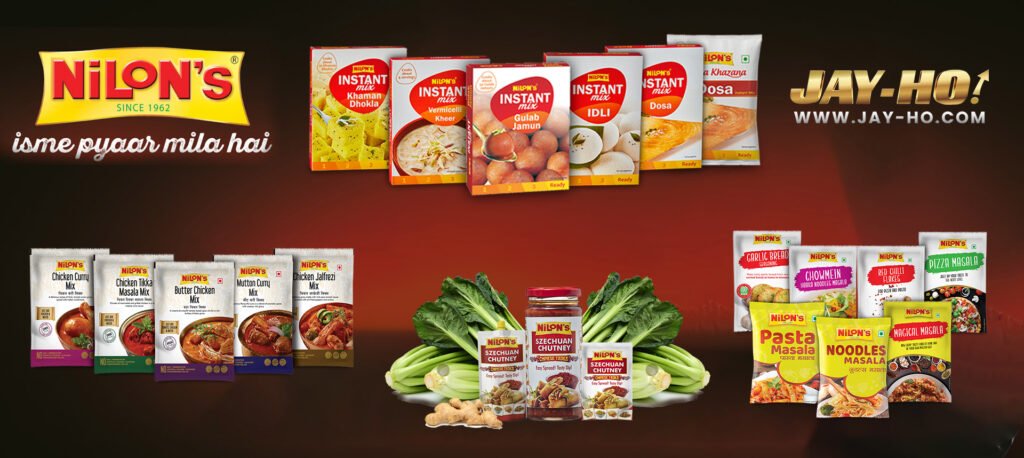
The years that followed were marked by decisions that required restraint as much as ambition. Nilon expanded beyond pickles into a diversified FMCG portfolio. Manufacturing capabilities were strengthened. Distribution widened steadily across regions. Systems modernized.
Yet, something crucial did not change — the consumer’s relationship with the brand.
The taste did not suddenly shift to suit trends. The familiarity remained intact. Modernization happened quietly, almost respectfully, without forcing change upon loyal customers.
Today, based on industry estimates and market conversations, Nilon’s annual revenues are believed to be in the range of ₹500–1,000 crore ($60–120 million USD). These numbers place Nilon among India’s significant homegrown FMCG groups — built not on hype or shortcuts, but on consistency and discipline.
From Indian Kitchens to Global Tables
As Indian communities flourished across the globe, brands like Nilon found themselves becoming part of an unspoken cultural export. Not because they chased international markets aggressively, but because Indian consumers carried them emotionally.
In many homes abroad, a pickle jar is opened during festivals, family gatherings, or moments of nostalgia. It becomes a bridge between generations — something parents introduce to children growing up far from India. A taste that explains heritage without words.
Achaar, once a household ritual, is now part of a global Indian identity.
Why Dipak Sanghavi’s Journey Inspires
Dipak Sanghavi is often described as a marketing mind, but his credibility comes from lived experience rather than theory. He understands that brands are not built in presentations, but in everyday decisions — pricing, quality, people, patience.
His journey resonates with entrepreneurs because it reflects realities they recognize: balancing tradition with ambition, resisting short-term temptation, and staying committed when growth is slow and unglamorous.
He did not inherit scale. He earned it — carefully, deliberately, and sustainably.
The Jay-Ho! Conversation
In an upcoming episode of Jay-Ho!, Dipak Sanghavi joins the platform for a candid conversation that goes beyond products and numbers. It is a reflection on leadership, resilience, and building businesses that last.
It is a story that reminds us that not all successful brands announce themselves loudly. Some grow quietly, staying close to the people they serve.
Because sometimes, the most powerful business lessons don’t come from flashy startups or dramatic disruptions.
They come from a glass jar.
On a kitchen shelf.
That waited patiently — and stayed relevant — while the world kept changing.
And that, perhaps, is the quiet power of Nilon.