








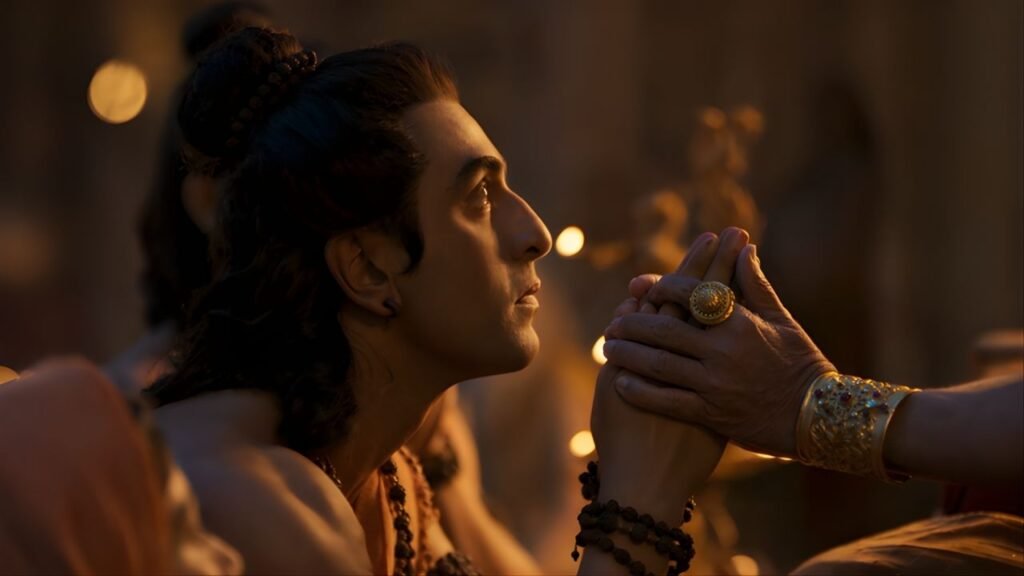

The teaser of Ramayana: Part 1 is not just creating waves in India but is now receiving overwhelming appreciation from international audiences — particularly in China.
From social media platforms to film discussion forums, viewers have been praising the teaser’s scale, visuals, and cinematic ambition, calling it one of the most promising global projects to come out of India.
“Stunning Visuals” Win Over Chinese Netizens
Soon after the teaser dropped, reactions from Chinese audiences started pouring in — and the response has been largely positive.
Many viewers described the visuals as:
- “Stunning”
- “Grand and cinematic”
- “On par with international epics”
The teaser’s high-quality VFX, detailed world-building, and larger-than-life presentation seem to have struck a chord with global audiences.
A Glimpse That Sparked Worldwide Curiosity
Directed by Nitesh Tiwari and backed by Namit Malhotra, Ramayana: Part 1 is envisioned as a two-part cinematic universe.
The makers unveiled the teaser on the auspicious occasion of Hanuman Janmotsav, making the moment even more significant for audiences familiar with the epic.
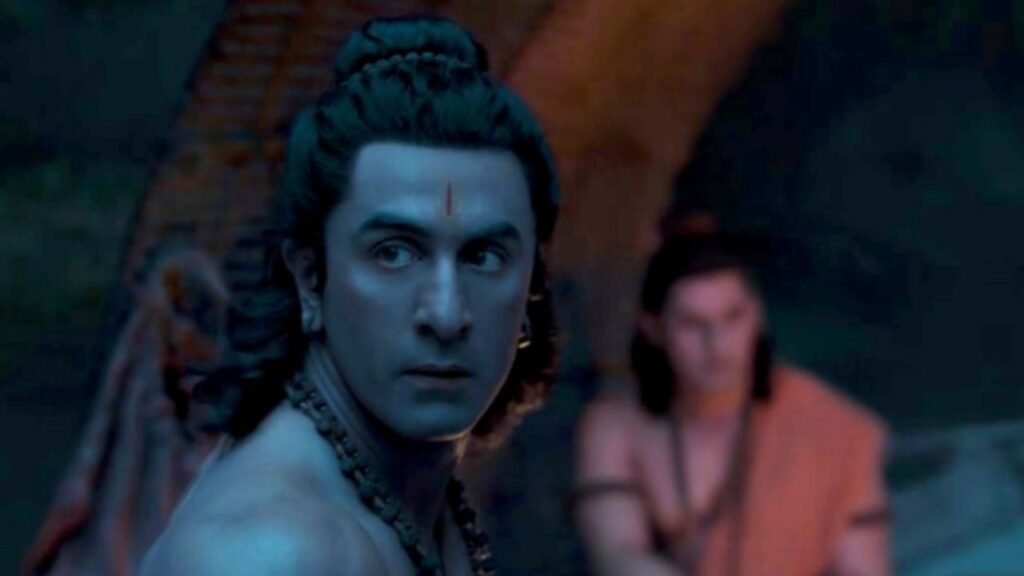
The brief glimpse of Lord Ram instantly became a talking point, triggering discussions not just in India but across international markets.
Why China’s Response Matters
The strong response from China is particularly significant for several reasons:
- China is one of the largest film markets in the world
- International acceptance can boost global box office potential
- Mythological storytelling from India is gaining curiosity overseas
The positive reception indicates that Ramayana: Part 1 may have the potential to transcend cultural boundaries.
A Film Positioned as a Global Spectacle
Even before its release, the film is being described as one of the biggest cinematic spectacles of 2026.
With a massive scale, cutting-edge technology, and a story rooted in one of India’s most revered epics, the film aims to match international standards of storytelling and production.
The teaser reflects this ambition clearly — from its visual richness to its epic tone.
Social Media Buzz Continues to Grow
The teaser has sparked conversations across multiple platforms, with fans sharing clips, reactions, and breakdowns.
Key highlights that audiences are talking about:
- Visual grandeur and CGI quality
- Faithful yet cinematic storytelling
- The scale of production
- Anticipation for character reveals
This growing buzz is helping the film build strong pre-release momentum.
Mythology Meets Modern Cinema
What makes Ramayana: Part 1 stand out is its attempt to present a traditional story through a modern cinematic lens.
The film aims to:
- Retain the emotional depth of the original epic
- Present it with world-class visuals
- Make it accessible to global audiences
This balance could be key to its international success.
Expectations Skyrocket Ahead of Release
With such a strong initial response, expectations from the film are now higher than ever.
Audiences are looking forward to:
- A powerful portrayal of Lord Ram
- Visually immersive storytelling
- High-end VFX and production design
- A faithful yet engaging narrative
Jay-Ho Scoop
The response from China is a clear sign that Ramayana: Part 1 is already making its mark beyond borders.
If the teaser is anything to go by, the film has the potential to become not just a domestic success but a truly global cinematic event.
With its scale, vision, and growing international appeal, this could be a defining moment for Indian cinema on the world stage.
FAQ SECTION
Q1. Why is Ramayana Part 1 trending globally?
Because of its grand visuals and strong teaser response, especially from China.
Q2. Who directed the film?
Nitesh Tiwari.
Q3. Who is backing the project?
Namit Malhotra.
Q4. Why is China’s response important?
It is one of the biggest global film markets.
Q5. When is the film expected to release?
It is expected to be one of the biggest releases of 2026.