







If you have spent even a few minutes on TikTok, Instagram Reels, or X recently, chances are you have heard someone dramatically say, “Clock it!” followed by a sharp finger snap or quick clap gesture.
The phrase has rapidly become one of the internet’s most viral slang expressions, appearing everywhere from reaction memes and reality TV edits to school conversations and celebrity fan pages. For many Gen Z users, it feels like the latest addition to internet vocabulary alongside phrases like:
- “It’s giving”
- “Slay”
- “Mother”
- “Ate”
- “No notes”
But while social media may have turned “Clock it” into a mainstream trend, the phrase carries a much deeper cultural history that existed long before TikTok algorithms and viral reels.
Behind the memes and dramatic reactions lies a powerful connection to Black and Brown LGBTQ+ ballroom culture — a community that shaped much of modern internet slang and digital expression long before mainstream audiences adopted it.
What Does ‘Clock It’ Actually Mean?
At its simplest, “Clock it” means:
- noticing something
- identifying hidden truth
- catching hypocrisy
- recognizing someone’s behavior
- accurately reading a situation
It is often used when someone points out something obvious that everyone else may have ignored.
For example:
- “She said she was busy but posted party pictures all night.”
- “Clock it.”
Or:
- “He’s pretending not to care, but he’s clearly jealous.”
- “Clock it!”
In internet culture, the phrase functions almost like verbal applause — a dramatic way of saying:
- “Exactly.”
- “That’s accurate.”
- “You understood perfectly.”
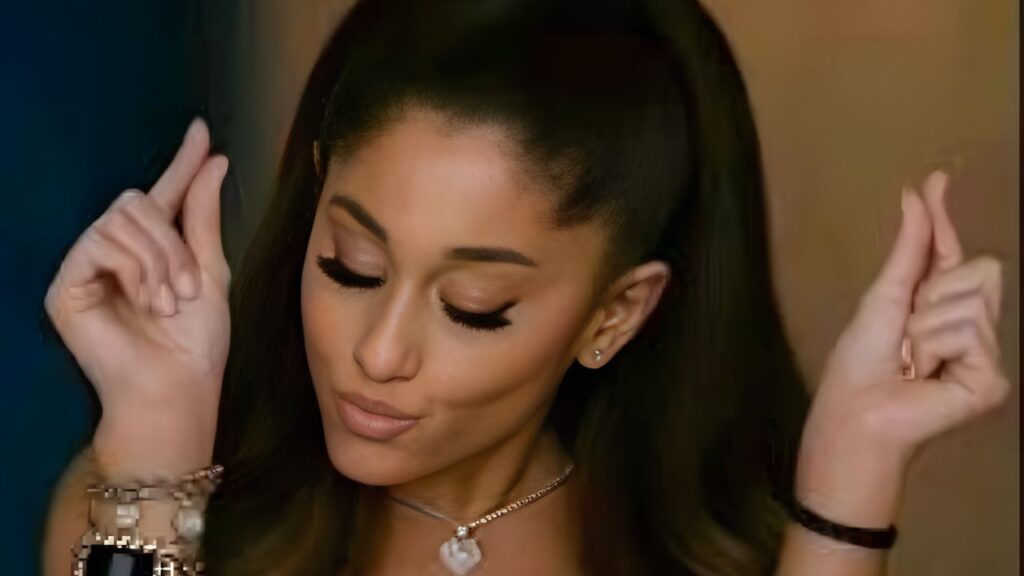
The phrase often appears alongside finger snapping, finger tapping, or miniature clap gestures, which have also become highly recognizable online reactions.
The Ballroom Culture Origins Behind ‘Clock It’
Although many social media users treat “Clock it” as modern internet slang, the phrase actually has deep roots in ballroom culture.
Ballroom culture emerged within Black and Latinx LGBTQ+ communities in New York during the 1960s and 1970s. These underground spaces became safe environments where queer and trans individuals could express identity, creativity, fashion, dance, and performance without judgment from mainstream society.
Within ballroom culture, “to clock” someone originally meant:
- noticing details about someone’s appearance
- recognizing hidden information
- reading someone accurately
- exposing truth or inconsistency
The term became closely tied to categories, performance battles, and social interactions within ballroom scenes.
Over time, many phrases from ballroom culture slowly entered mainstream entertainment through:
- drag culture
- reality television
- pop music
- social media
- meme culture
Today, countless viral internet expressions actually originate from these communities, even though many users are unaware of the history behind them.
The Viral Fingerclap Gesture Explained
Another major reason the trend exploded online is the physical gesture associated with it.
The quick finger tapping or snapping motion often accompanying “Clock it” is sometimes referred to online as:
- fingerclaps
- finger applause
- silent clapping
Historically, ballroom performers used finger snaps and taps as quieter forms of applause during performances, particularly in spaces where loud interruptions were discouraged.
The gesture symbolized agreement, approval, recognition, and appreciation without fully interrupting the moment.
As TikTok and Instagram increasingly revolve around reaction culture and exaggerated expression, the gesture became the perfect visual companion to the phrase.
Now, many creators use fingerclaps dramatically while reacting to:
- gossip
- celebrity drama
- dating advice
- reality TV moments
- unpopular opinions
- viral arguments
How TikTok Turned ‘Clock It’ Into A Global Trend
The internet’s obsession with “Clock it” accelerated rapidly through:
- TikTok creators
- reaction videos
- drag culture clips
- reality TV edits
- meme compilations
Shows like RuPaul’s Drag Race also helped introduce ballroom-inspired language and expressions to wider mainstream audiences over the years.
More recently, viral moments from reality shows like Love Island USA and social media diss tracks pushed the phrase even further into everyday digital conversations.
On TikTok especially, “Clock it” became the perfect reaction phrase because it fits the platform’s fast-paced communication style:
- quick reactions
- sarcasm
- irony
- micro-commentary
- dramatic storytelling
Its short, catchy structure makes it highly memeable and easy to repeat across different contexts.
Why Gen Z Loves The Phrase So Much
Part of the phrase’s popularity comes from how adaptable it is.
“Clock it” works for:
- humor
- sarcasm
- praise
- gossip
- criticism
- reactions
- commentary
It can sound playful, supportive, dramatic, or confrontational depending on tone and context.
Gen Z communication online increasingly relies on:
- reaction culture
- short-form language
- layered irony
- meme references
- emotionally expressive slang
Because of this, phrases like “Clock it” spread extremely quickly across platforms.
The phrase also creates instant social connection online because users immediately recognize its tone and meaning.
The Internet Often Disconnects Trends From Their Origins
As “Clock it” became mainstream, many people began using the phrase without understanding where it actually came from.
This happens frequently with internet slang and viral trends. Expressions born within marginalized communities often become widely adopted online while their original cultural significance gets diluted or erased.
Ballroom icon Leiomy Maldonado previously discussed how many internet users misunderstand both the phrase and the finger gestures associated with ballroom culture.
In many cases, users accidentally:
- change the meaning
- misuse gestures
- separate phrases from their cultural context
- reduce historically important expressions into temporary trends
This has sparked larger conversations online about giving proper cultural recognition to the communities that created many forms of modern internet language.
Why ‘Clock It’ Fits Modern Internet Culture Perfectly
The phrase exploded partly because modern social media thrives on instant reactions.
Today’s online communication style revolves around:
- memes
- commentary
- reaction clips
- subtle shade
- visual gestures
- fast emotional responses
“Clock it” functions almost like a digital exclamation mark.
It allows users to acknowledge accuracy, expose hypocrisy, or celebrate someone’s observation within seconds.
Combined with fingerclaps or snaps, the phrase creates a highly expressive reaction style that feels dramatic, entertaining, and instantly recognizable.
Final Thoughts
While “Clock it” may currently dominate TikTok feeds and Instagram comment sections, its story began long before social media trends existed.
The phrase carries decades of cultural history from ballroom communities that shaped much of today’s internet language and reaction culture. What started as a form of recognition and social commentary within queer underground spaces has now become one of the internet’s favorite viral expressions.
So the next time someone dramatically snaps their fingers and says, “Clock it,” remember:
the trend did not begin on TikTok — it traveled there through years of cultural evolution, performance, identity, and community expression.
And honestly? The internet definitely clocked it.