













Looking for meaningful OTT content this World Environment Day? These seven films and shows explore climate change, wildlife, survival, sustainability and humanity’s fragile relationship with nature through emotional and thought-provoking storytelling.
Key Takeaways
- These OTT titles focus on nature, climate change and environmental awareness.
- The list includes documentaries, survival dramas and emotional fictional stories.
- “Okja” and “Down to Earth With Zac Efron” remain fan favourites globally.
- Several titles explore humanity’s emotional disconnect from nature.
- The recommendations balance entertainment with environmental reflection.
Some Stories Entertain You. Others Quietly Change the Way You See the World.
World Environment Day usually brings the same familiar conversation every year — climate change, sustainability, pollution and the urgent need to protect the planet.
Important conversations, yes.
But sometimes, statistics alone fail to connect emotionally.
Stories do what numbers cannot.
A great environmental film does not simply lecture audiences about nature. It makes viewers feel something — grief, wonder, fear, guilt, hope or even helplessness. And in the streaming era, some of the most powerful conversations about humanity’s relationship with Earth are happening through OTT storytelling.
This year’s World Environment Day arrives at a time when audiences are increasingly drawn toward emotionally grounded stories about survival, wildlife, environmental collapse and human responsibility. Interestingly, many of these films are not traditional “message movies.” They are thrillers, dramas, fantasy adventures and deeply personal journeys that happen to carry environmental themes beneath the surface.
Here are seven impactful OTT films and shows worth watching this World Environment Day.
1. “Train Dreams”
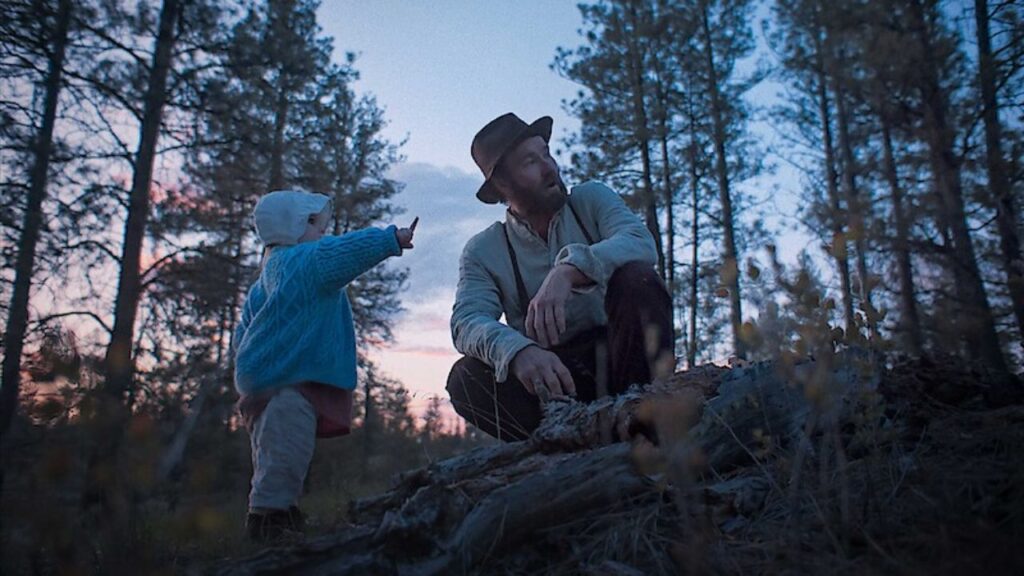
Few environmental stories feel as quietly haunting as “Train Dreams.”
Set in the Pacific Northwest, the film follows Robert Grainier, a railroad worker whose life unfolds across eight transformative decades. As industrial modernisation slowly reshapes the wilderness around him, Robert grapples with devastating personal loss and emotional isolation.
What makes the film especially powerful is its understanding of disappearing landscapes. Nature here is not just background scenery — it feels alive, wounded and constantly changing.
Unlike flashy climate dramas, “Train Dreams” captures environmental change through silence, loneliness and memory. That emotional subtlety makes it surprisingly affecting.
2. “Down to Earth With Zac Efron”
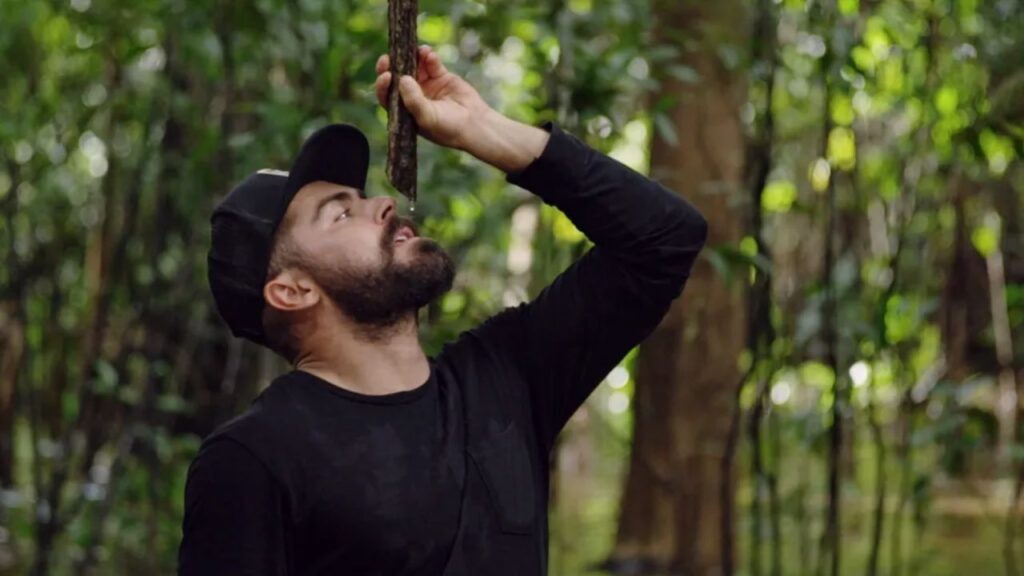
At first glance, Zac Efron’s travel docuseries may seem like lightweight viewing.
It is not.
“Down to Earth With Zac Efron” works because it approaches sustainability through curiosity rather than fear. Alongside wellness expert Darin Olien, Efron explores communities and innovators experimenting with renewable energy, sustainable food systems and healthier living practices across the world.
One reason the series connected strongly with younger audiences is because it avoids sounding preachy. Instead of guilt-driven storytelling, it focuses on solutions and possibilities.
And honestly, that optimism feels refreshing in an era dominated by environmental doomscrolling.
3. “Thrash”
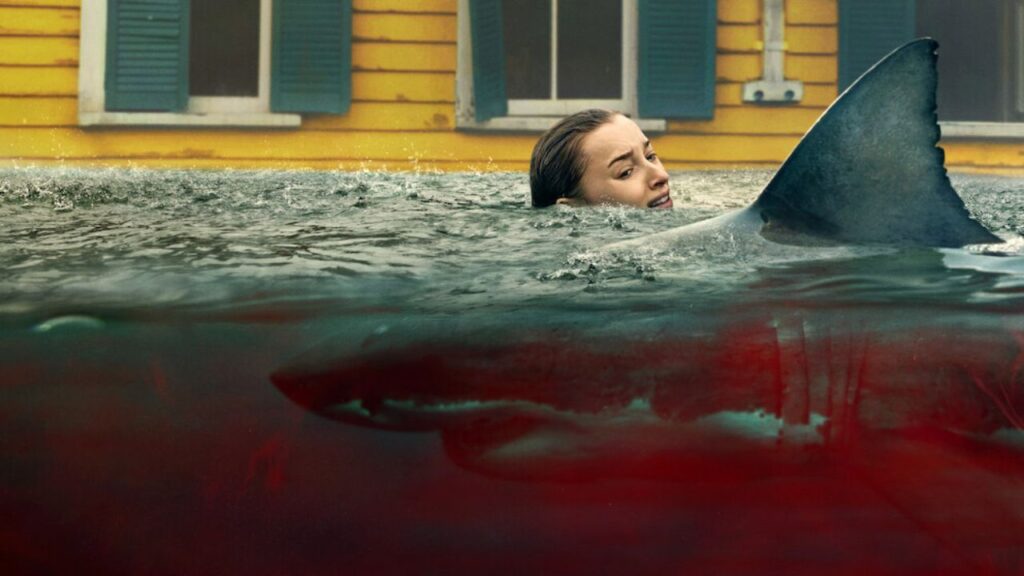
Nature becomes terrifyingly unpredictable in “Thrash.”
Previously titled “Shiver,” this survival-horror film unfolds in a South Carolina town devastated by a catastrophic Category 5 hurricane. As floodwaters rise, residents suddenly find themselves trapped not only by nature’s destruction but also by deadly bull sharks invading the submerged streets.
What makes “Thrash” interesting is how it transforms climate anxiety into visceral horror.
The film taps into a growing cultural fear:
what happens when extreme weather stops feeling hypothetical?
Disaster cinema has always reflected societal anxieties. Today, environmental collapse increasingly sits at the center of those fears.
4. “Swapped”
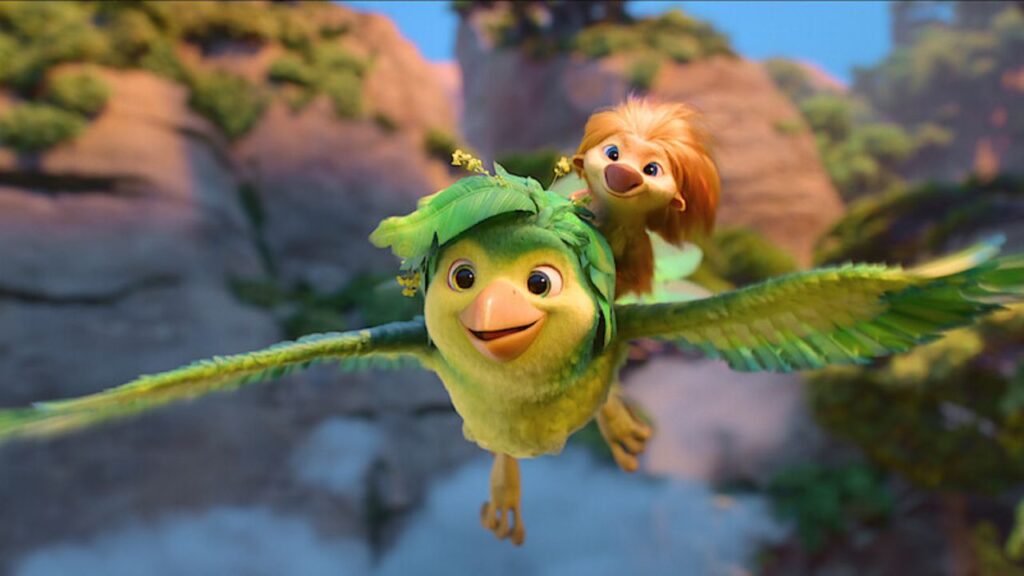
Animated films often communicate environmental themes more effectively than serious dramas because they reach audiences emotionally without becoming overly heavy.
“Swapped” does exactly that.
The fantasy-adventure comedy follows members of rival tribes who unexpectedly exchange bodies and are forced to experience each other’s worlds firsthand. Beneath the humour and fantasy lies a story about ecological imbalance, cultural misunderstanding and coexistence.
One detail viewers may appreciate is how the film treats environmental issues as deeply connected to empathy. It suggests that humanity’s inability to understand one another often mirrors its inability to respect nature.
That emotional connection gives “Swapped” surprising depth.
5. “Remarkably Bright Creatures”
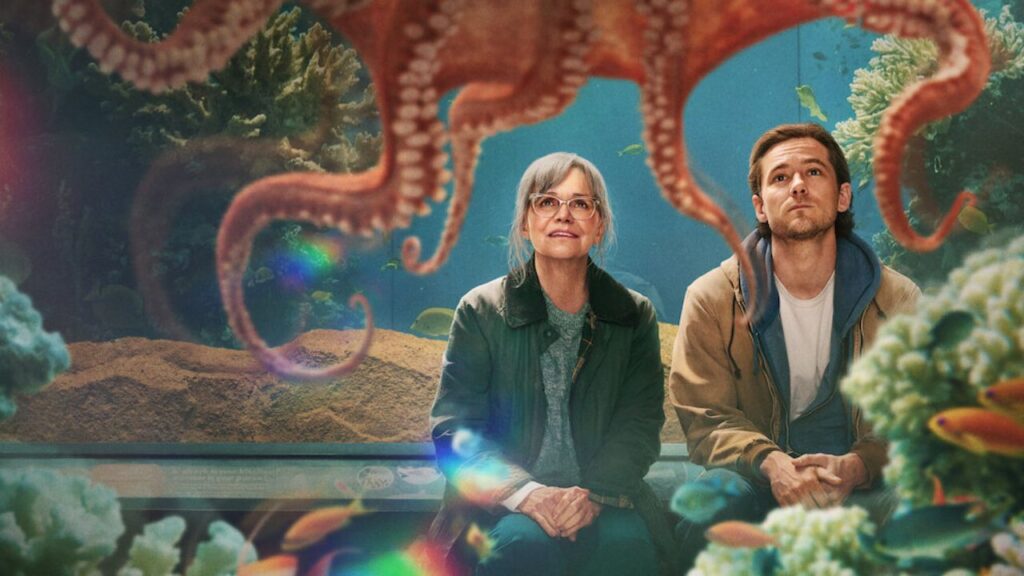
Not every environmental story needs massive disasters or political messaging.
Sometimes, emotional intimacy works better.
Based on Shelby Van Pelt’s bestselling novel, “Remarkably Bright Creatures” tells the story of Tova, a grieving widow who forms an unusual bond with an intelligent octopus at the aquarium where she works.
The film gently explores loneliness, healing and humanity’s emotional connection with marine life.
There is something deeply calming about stories that remind audiences animals are not merely part of the environment — they are emotional beings occupying the same fragile world.
And honestly, that reminder feels increasingly necessary.
6. “Okja”
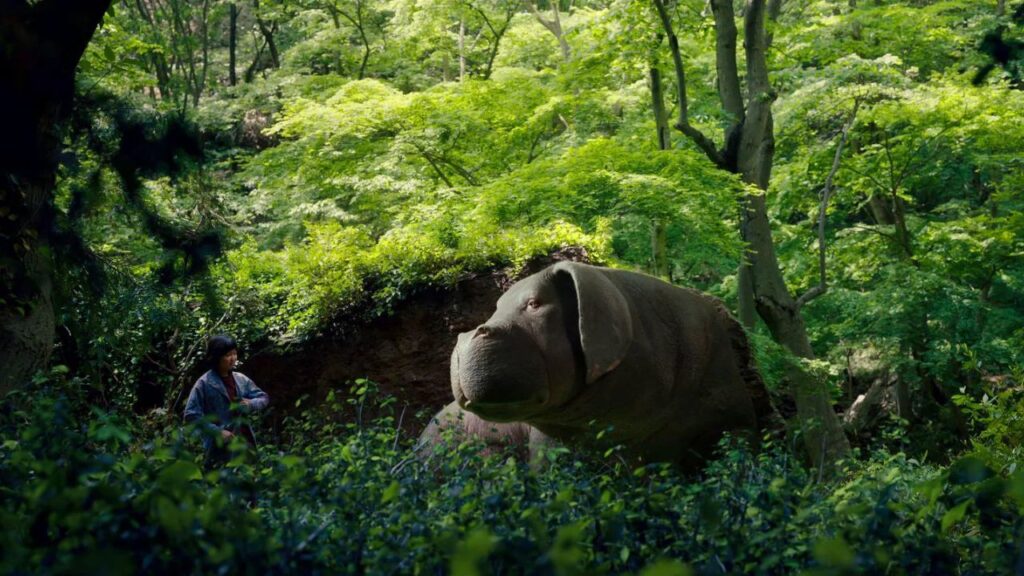
Years after its release, “Okja” remains one of the most emotionally devastating environmental films on OTT.
Directed by Bong Joon-ho, the film follows Mija, a young girl trying to rescue her genetically engineered super-pig from a multinational corporation obsessed with profit and mass consumption.
What makes “Okja” unforgettable is how quickly it shifts from warmth to discomfort.
The film forces viewers to confront questions many people prefer avoiding:
Where does food come from?
How far can corporations go?
And why does emotional attachment suddenly change moral perception?
The brilliance of “Okja” lies in its emotional manipulation — and that is meant as praise. Once audiences emotionally connect with Okja, the film’s critique of industrial exploitation becomes impossible to ignore.
7. “A Gorilla Story: Told by David Attenborough”
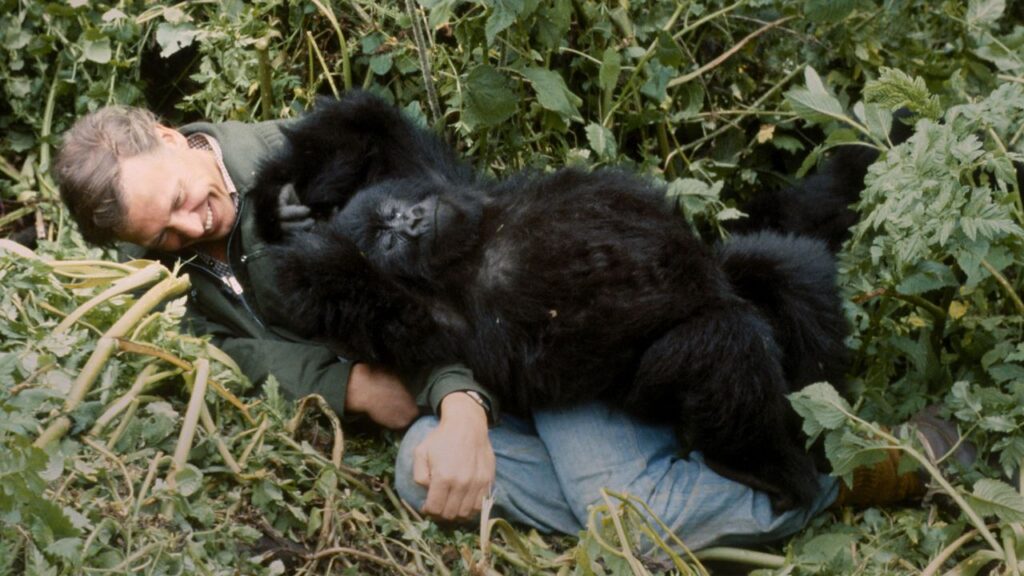
David Attenborough’s voice alone carries enormous emotional weight for nature lovers across generations.
“A Gorilla Story” offers an intimate look into the lives of mountain gorillas living in Rwanda’s forests, documenting their survival, relationships and the conservation efforts protecting them from extinction.
The documentary works because it avoids sensationalism.
Instead, it quietly observes.
That patience allows viewers to emotionally connect with the gorillas as families rather than abstract endangered animals. In many ways, the film becomes less about wildlife and more about shared vulnerability between species.
And few storytellers communicate that idea better than Attenborough.
Why These Stories Matter More Than Ever
Environmental storytelling has changed dramatically over the last decade.
Earlier films often focused entirely on awareness campaigns or disaster warnings. Today’s audiences, however, respond more strongly to emotional immersion. They want stories that feel personal rather than instructional.
That shift explains why films like “Okja” or “Remarkably Bright Creatures” resonate deeply. They do not just explain environmental issues. They humanise them.
Streaming platforms have also played a huge role here.
OTT services now allow environmental stories to reach younger global audiences who may never watch traditional documentaries. And importantly, these stories no longer belong only to one genre. They appear inside thrillers, animation, survival horror, family dramas and sci-fi narratives.
That crossover is expanding the conversation.
Fan Psychology: Why Environmental Stories Are Connecting Emotionally
One reason these films work so effectively is because modern audiences increasingly feel climate anxiety in daily life.
Extreme heat.
Floods.
Wildfires.
Water scarcity.
These are no longer distant headlines.
So when viewers watch environmental stories today, they are not consuming fantasy. They are processing real-world fears emotionally through fiction and documentary storytelling.
That emotional relatability creates stronger engagement — especially among younger streaming audiences who are already highly conscious of sustainability conversations online.
Jay-Ho Trending
Some films entertain for two hours and disappear from memory by the next weekend.
These stories do something else.
They linger.
Whether it is the devastating emotional honesty of “Okja,” the quiet melancholy of “Train Dreams,” or the hopeful curiosity of Zac Efron’s docuseries, each title on this list reminds viewers that humanity’s relationship with nature is becoming one of the defining emotional conversations of our time.
And maybe that is exactly why these stories matter so much right now.
FAQs
Which is the best environmental film to watch on OTT right now?
“Okja” remains one of the most impactful environmental films because of its emotional storytelling and critique of corporate greed.
Why is World Environment Day celebrated?
World Environment Day is celebrated annually on June 5 to encourage awareness and action toward protecting the environment.
Is “Down to Earth With Zac Efron” worth watching?
Yes. The series explores sustainability, wellness and environmental innovation in an engaging and accessible way.
Which OTT platform has environmental documentaries?
Platforms like Netflix, Prime Video and Disney+ Hotstar feature several environmental documentaries and eco-themed films.
Why are environmental films becoming popular on OTT?
Audiences today are more emotionally connected to climate issues, sustainability and wildlife conservation, making such stories increasingly relevant.