






Ramayana Part 2 is now scheduled for Diwali 2028, moving from its earlier 2027 release window. Cinematographer Pankaj Kumar has explained that the scale of the sequel’s visual effects, motion-capture work and fantasy environments is a major part of the production challenge.
Around 60% of the second instalment has been filmed, but substantial digital work remains. With characters such as Hanuman and the vanar sena requiring extensive CGI and motion capture, the team is still building the visual world that the story demands.
The cinematographer’s interview also reveals how the production is approaching motion capture, layered action sequences and the film’s deliberately fantastical environments. The delay is therefore not simply about finishing the remaining shoot. It reflects the amount of work required to assemble the sequel’s digital characters and large-scale visuals.
Why Is Ramayana Part 2 Releasing in 2028?
The sequel was originally expected to arrive during Diwali 2027. It has now moved to Diwali 2028, giving the team an additional year to complete the production.
Producer Namit Malhotra explained that the extra time would help the team deliver the finale on the scale it deserves. He also indicated that the makers did not want to rush the project.
The revised release window was announced in the end credits of Ramayana Part 1. No specific Diwali release date has been announced yet.
Ramayana Part 2 Is 60% Shot, but Major VFX Work Remains
In his interview with The Hollywood Reporter India, Pankaj Kumar confirmed that approximately 60% of Part 2 has already been filmed.
However, a substantial amount of visual-effects and motion-capture work is still pending. The sequel will feature more computer-generated characters than the first instalment, including Hanuman and the vanar sena.
Kumar explained that the second part is expected to be grander in scale. Its larger number of digital characters also means that the visual-effects team has more details to develop and integrate.
This distinction is important. The reported 60% refers to the footage already shot, not the percentage of the entire production completed. The remaining work includes complex digital effects, motion capture and the integration of different visual elements.
How Motion Capture Will Bring Hanuman and the Vanar Sena to Life
One of the most demanding aspects of the sequel is the creation of characters that cannot simply be filmed as conventional live-action performances.
Kumar explained that motion capture is used for characters such as Hanuman, Kumbhakarna and the Asuras. Performers wear specialised suits fitted with sensors, allowing their movements to be recorded and transferred onto computer-generated characters.
The cinematographer also described the technology involved. Around 42 infrared cameras capture the performers’ movements on a motion-capture floor. The recorded performances are then used to animate the corresponding 3D characters.
This process helps retain the physical movement and performance of an actor while placing a digital character within the film’s environment.
The technique is particularly relevant to Ramayana Part 2, which will feature larger groups of creatures and elaborate action sequences. The vanar sena, in particular, requires more than creating individual digital characters. The team must also make large-scale movements and battle scenes work together convincingly.
Kumar revealed that some sequences involve multiple layers of motion-capture footage. Background crowds, creatures and stunts can be filmed separately and combined during post-production.
That layered approach helps explain why the sequel requires extensive planning and technical work even after principal photography has progressed substantially.
Why Ramayana’s Forests Are Designed to Look Fantastical
The film’s visual approach is another important part of Kumar’s explanation. The makers are not aiming to recreate forests that look exactly like real-world locations.
Instead, they want the environments to feel heightened and larger than life. The forests through which Rama and Lakshmana travel must accommodate a fantasy world filled with enormous creatures, dramatic battles and extraordinary movement.
Kumar explained that realistic trees and natural surroundings might not always support the visual experience the filmmakers want to create. The intention is to give audiences an imaginative world rather than reproduce an ordinary jungle.
This approach also addresses the discussion around the film’s computer-generated environments. The cinematographer acknowledged the difference between realistic visual storytelling and a fantasy-driven spectacle.
His explanation suggests that the visual design is a deliberate creative decision, not simply an attempt to imitate natural locations through CGI.
What Makes the Film’s Visual Production So Complex?
Kumar’s interview offers a closer look at the amount of planning involved in the first film and the wider production process.
He explained that pre-visualisation began well before filming. Concept artists and production designers developed the visual ideas, which were then translated into 3D environments. Camera positions, movements and shot breakdowns were planned before the team reached the sets.
The process continued during filming and post-production. Kumar described the experience as effectively making the film three times: during pre-production, principal photography and post-production.
He also explained that the production relied heavily on indoor shooting and controlled environments. This required the cinematography team to recreate natural lighting conditions on large studio floors.
The same level of coordination is relevant to the sequel, particularly when live-action footage must be combined with digital characters, environments and large action sequences.
Ramayana Part 2 Cast and Story: What to Expect
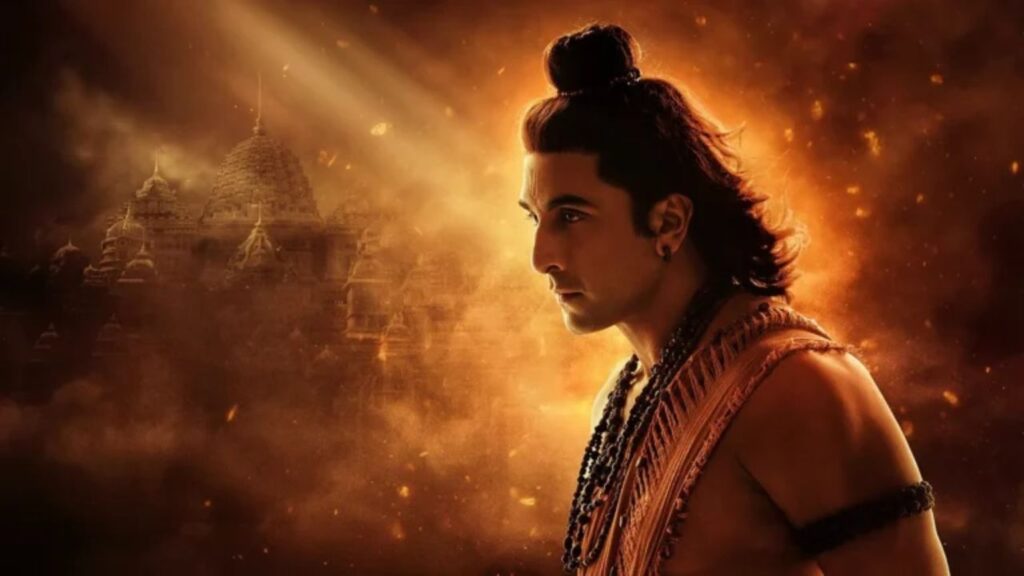
Directed by Nitesh Tiwari, Ramayana features Ranbir Kapoor as Lord Rama, Sai Pallavi as Sita and Yash as Ravana. Ravie Dubey plays Lakshmana, while Sunny Deol portrays Hanuman.
The supporting cast includes Arun Govil, Lara Dutta, Indira Krishnan and Kajal Aggarwal, among others.
The second instalment is expected to continue the story with Rama and Lakshmana’s journey to Kishkindha. It will introduce the alliance with Hanuman and Sugriva, followed by Bali Vadh and the search for Sita.
The story will eventually move towards the battle between Rama and Ravana, setting up the grand finale of the two-part adaptation.
Ramayana Part 2 Release Date and Production Update
| Detail | Latest update |
|---|---|
| Film | Ramayana Part 2 |
| Director | Nitesh Tiwari |
| Cinematographer | Pankaj Kumar |
| Producer | Namit Malhotra |
| Filming progress | Approximately 60% shot |
| Pending work | VFX, motion capture and CGI characters |
| Earlier release window | Diwali 2027 |
| Revised release window | Diwali 2028 |
| Exact release date | Not announced |
When Will Ramayana Part 2 Release?
Ramayana Part 2 is scheduled to release in theatres during Diwali 2028. The film was earlier expected in Diwali 2027, but the makers have moved it back by a year.
The additional time is intended to help the team complete the extensive technical work and deliver the sequel on the scale planned by the filmmakers.
The Bigger Picture
The latest production update makes one thing clear: Ramayana Part 2 is dealing with a substantial visual-effects workload. Although around 60% of the sequel has been filmed, the remaining motion-capture and CGI work involves several major characters and complex sequences.
Kumar’s comments also offer insight into the creative thinking behind the film’s fantasy environments. The intention is to build a world that feels larger than reality, rather than reproduce natural locations exactly.
For audiences waiting to see Hanuman, the vanar sena and the epic’s larger battles, the wait now extends to Diwali 2028. The makers have more time to complete the work, but expectations for the sequel’s visual scale will be equally high.