







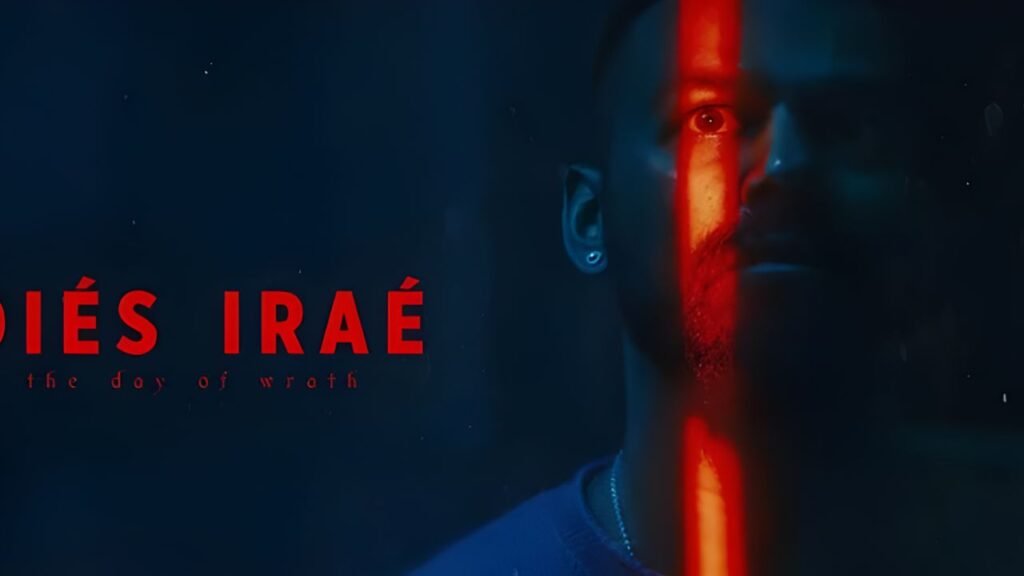

Dies Irae marks Rahul Sadasivan’s return to the horror genre after his acclaimed Bramayugam, and once again, he doesn’t disappoint. The film opens with an unnerving stillness that sets the tone for a slow, psychological burn rather than a jump-scare fest. Pranav Mohanlal plays a man haunted by guilt, grief, and something far darker—something that lurks in the shadows of his mind. Every frame feels meticulously designed to make you uncomfortable, with the silence almost as loud as the fear itself.
From its opening scene to the haunting climax, Dies Irae crawls under your skin and stays there. Sadasivan proves yet again that true horror lies not in what we see, but in what we imagine. The film masterfully balances supernatural terror with emotional realism, pulling viewers into its eerie atmosphere with unrelenting grip.
Pranav Mohanlal Delivers His Most Mature Performance Yet
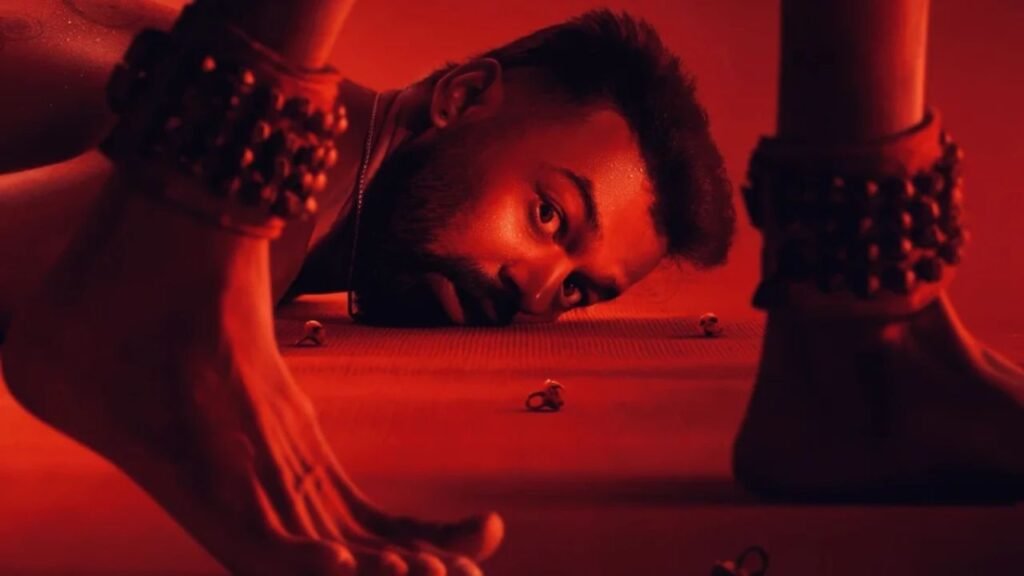
Pranav Mohanlal delivers a performance that is both haunting and heartbreakingly vulnerable. His portrayal of a tormented soul battling inner demons is intense and restrained, proving his remarkable evolution as an actor. He doesn’t rely on dramatic gestures; instead, he uses silence, glances, and breath to convey anguish. Sushmita Bhat complements him beautifully, grounding the emotional chaos with quiet strength and conviction.
The chemistry between the two feels organic and raw, lending authenticity to the psychological tension that drives the narrative. Even supporting actors like Shine Tom Chacko and Jaya Kurup bring nuance to their roles, making every interaction feel consequential. Pranav’s transformation through the film mirrors the audience’s own descent into fear — subtle, unrelenting, and deeply personal.
Rahul Sadasivan’s Direction: Fear in Stillness
Rahul Sadasivan once again redefines horror with restraint. Instead of relying on sound effects or grotesque visuals, he builds dread through atmosphere and rhythm. The film’s pacing is deliberate, allowing tension to breathe and grow naturally. Each shot is framed with painterly precision — dark corridors, candlelight flickers, and distant whispers become part of the storytelling.
Cinematographer Shehnad Jalal’s lens captures fear in shadows and silence, while the sound design by Jakes Bejoy is minimal yet hauntingly effective. Every creak, rustle, and sigh amplifies the sense of being trapped — both physically and emotionally. It’s a horror experience that doesn’t scream at you; it whispers until you can’t ignore it anymore.
Themes of Guilt, Faith, and Redemption
Beneath its terrifying exterior, Dies Irae explores deeper human emotions — guilt, faith, and the cost of redemption. The film questions whether monsters are born or made, and whether salvation is ever truly possible. Rahul Sadasivan uses religious symbolism with subtlety, never preaching but always provoking thought.
The title itself — Latin for “Day of Wrath” — perfectly encapsulates the film’s moral tone. Each sequence builds towards an inevitable reckoning, both spiritual and psychological. By the end, you’re not just scared of what’s on screen, but of what it reveals about human fragility. It’s this philosophical undercurrent that elevates Dies Irae from a genre film to a cinematic experience.
Jay-Ho Verdict
Dies Irae isn’t a typical horror movie — it’s a psychological descent wrapped in myth and melancholy. Rahul Sadasivan crafts a deeply immersive world that makes you question your senses long after the credits roll. Pranav Mohanlal anchors the film with a hauntingly restrained performance that lingers in memory.
If you appreciated the brooding darkness of Bramayugam or the psychological intensity of Tumbbad, Dies Irae will strike all the right chords. It’s unsettling, atmospheric, and profoundly human — a rare horror film that terrifies you not just with ghosts, but with truth.