







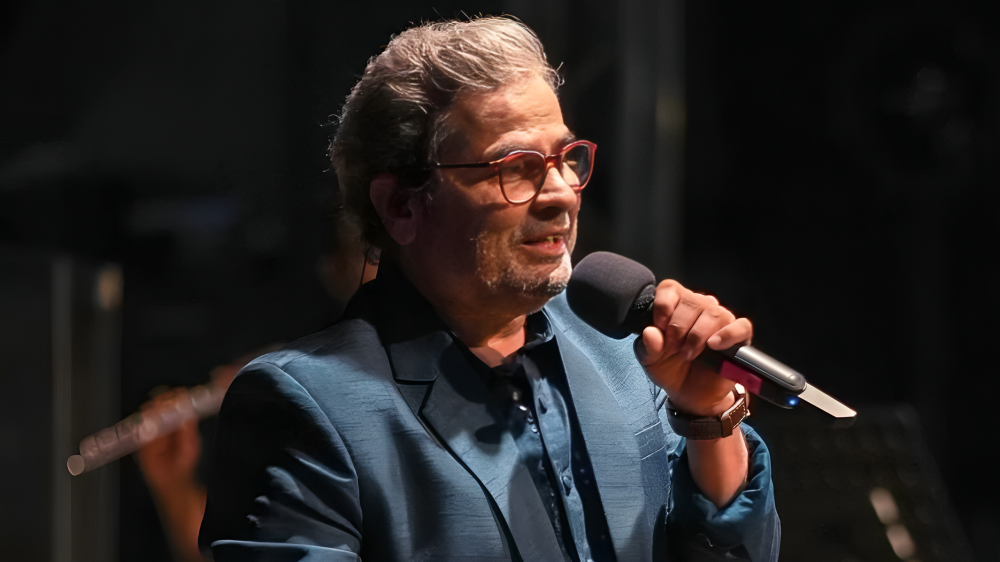

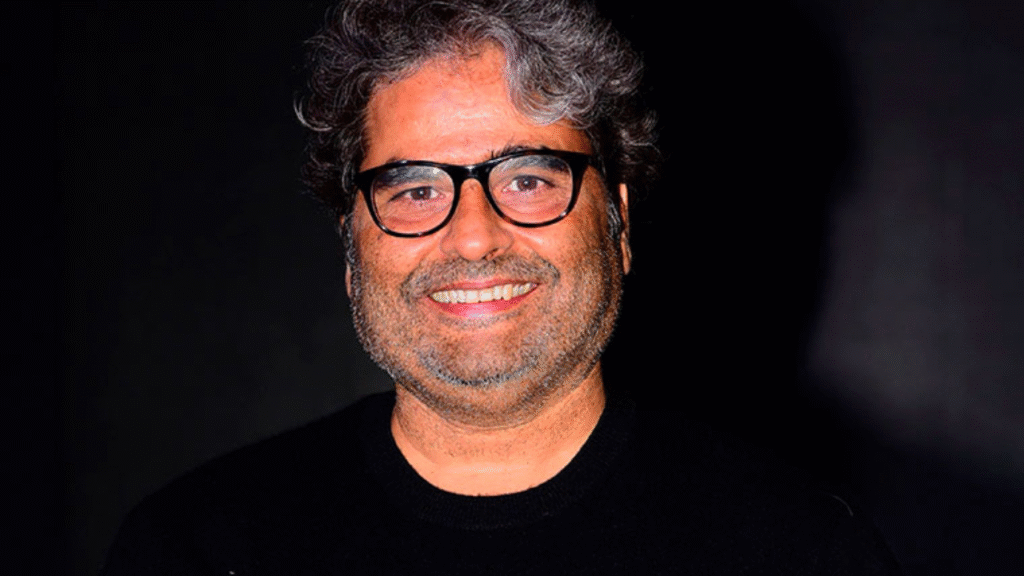
Not every broken dream stays broken. Some just take a different shape. For Vishal Bhardwaj, the boy from Bijnor who once dreamed of wearing India’s cricket jersey, life had something far more musical—and magical—in store.
You’ve probably hummed to his tunes or watched one of his many genre-defining films, but what you might not know is that Vishal was all set to be a cricketer. Yep, a legit state-level Under-19 player living in Meerut, sharpening his skills and aiming for national glory. But fate had other plans.
Cricket’s loss, cinema’s gain
Just before an important tournament, a practice session turned life-altering when Vishal broke a bone in his thumb. That injury forced him to give up on cricket, and honestly, that detour may have been the best thing to happen—not just for him, but for Indian cinema and music lovers everywhere.
Post-injury, Vishal refocused on studies and slowly drifted toward music, thanks in large part to his father, who was the first to see the spark. At just 17, Vishal composed his first piece, and his dad took it straight to composer Usha Khanna, who used it in the film Yaar Kasam (1985). That was the first domino.
A chance meeting with Gulzar changed everything
After returning to Delhi and completing his graduation, Vishal started working in a music recording company. And that’s where he crossed paths with Gulzar. Their early collaboration led to Chaddi Pehen Ke Phool Khila Hai, and the rest, as they say, is musical history.
His official debut as a composer came in 1995 with Abhay, but real recognition followed a year later with Gulzar’s Maachis—earning him the Filmfare RD Burman Award. From there, the hits didn’t stop: Satya, Hoo Tu Tu, Godmother, and more.
Godmother & beyond: Enter the National Awards
Vishal’s music for Godmother won him his first National Award in 1999, but it was just the beginning. Over the years, he racked up a total of 9 National Awards—from children’s films to non-feature documentaries, from original screenplays to soulful soundtracks. Each one is a reflection of his diverse genius.
Some of the standout wins include:
- Ishqiya – Best Music Direction (2011)
- Haider – Best Screenplay (Dialogues) & Music (2014)
- Talvar – Best Adapted Screenplay (2015)
- 1232 KMS – Best Music Direction (Non-Feature, 2022)
- Fursat – Best Music Direction (Non-Feature, 2024)
From composer to director: Telling stories his way
While his music had already made waves, Vishal wasn’t done. In 2002, he debuted as a director with the children’s film Makdi. That paved the way for one of the most creative trilogies in Indian cinema: Maqbool, Omkara, and Haider—modern Shakespearean adaptations set in Indian contexts, loaded with grit, nuance, and unforgettable performances.
Other directorial highlights include Kaminey, Saat Khoon Maaf, Rangoon, Matru Ki Bijlee Ka Mandola, and Pataakha. Each film may be different in style and substance, but what they all share is Bhardwaj’s unique stamp: poetic, edgy, and always thought-provoking.
Rekha and Vishal: A power couple in sync
Every creative genius needs a partner who gets their rhythm. Vishal met Rekha Bhardwaj during a college function at Hindu College, Delhi University. From friends to life partners, their bond only grew stronger over time. Today, they’re one of the most respected couples in the industry—not just for their individual talents, but for the quiet harmony they bring to each other’s work.
Still creating, still inspiring
Even after almost three decades in the industry, Vishal Bhardwaj hasn’t slowed down. He continues to surprise us—whether it’s through an unexpected indie track or a gripping new screenplay. His journey from injured cricketer to 9-time National Award-winning filmmaker-composer isn’t just inspiring—it’s a masterclass in turning setbacks into fuel for greatness.