








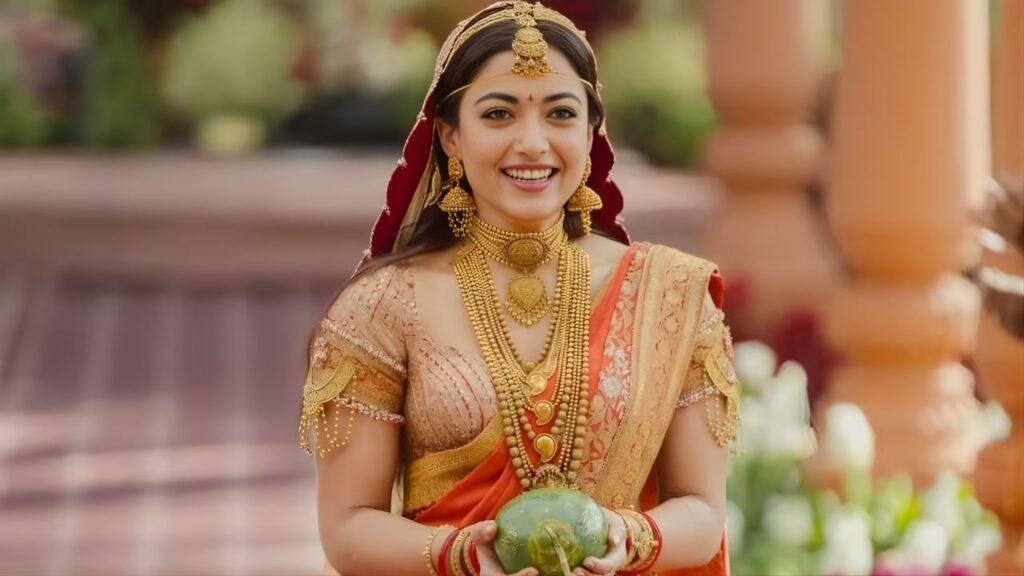

When Rashmika Mandanna recently appeared in a stunning bridal-inspired look adorned with elaborate gold ornaments, it did more than turn heads on social media. The actor’s appearance has reignited interest in one of India’s most enduring jewellery traditions — Temple Jewellery.
Images of Rashmika wearing intricate gold pieces featuring classical motifs quickly circulated online, highlighting a broader movement already gaining momentum in the bridal market. Across India, modern brides are increasingly embracing heritage jewellery styles that combine cultural meaning, fine craftsmanship, and generational value.
Why Temple Jewellery Is Trending Again
Temple jewellery has long been associated with South Indian bridal traditions and classical dance forms such as Bharatanatyam. Characterised by sculptural gold forms, intricate Nakashi craftsmanship and symbolic iconography, the style blends grandeur with deep spiritual significance.
According to Vandana Jagwani, Creative Director at Mahesh Notandass, the renewed interest in heritage jewellery reflects a deeper cultural instinct rather than a temporary trend.
She explains that today’s brides are embracing jewellery that honours India’s rich legacy while also expressing personal style. This balance between tradition and modernity mirrors the evolving identity of the Indian bride, who often blends heritage elements with contemporary fashion.
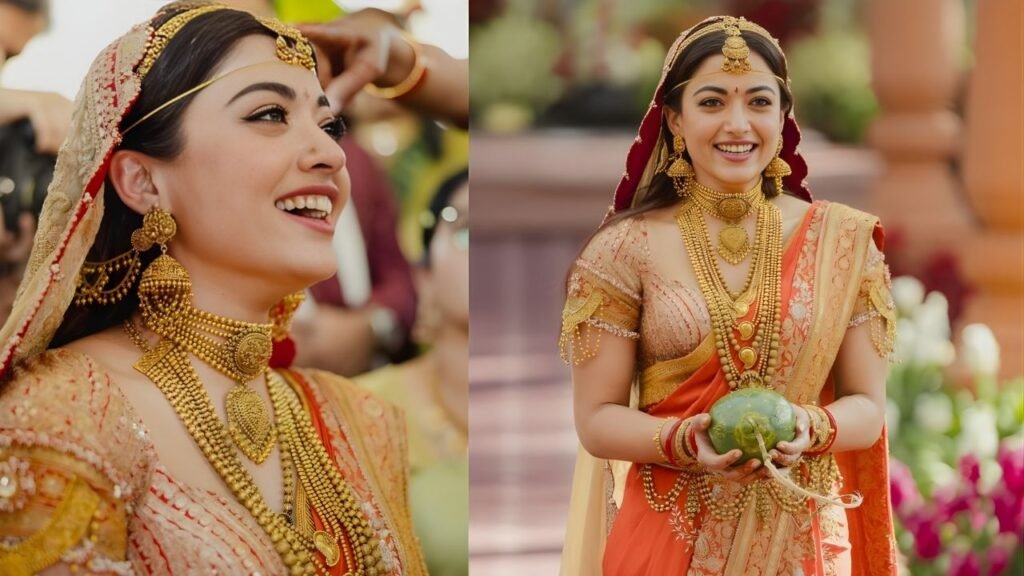
The Cultural Story Behind Temple Jewellery
One of the biggest reasons temple jewellery continues to captivate brides is the storytelling embedded in its design. Traditional pieces often feature motifs of Goddess Lakshmi, peacocks, elephants and lotus patterns, all crafted through intricate handwork.
Historically, these ornaments were worn by temple dancers and royalty, symbolising prosperity, divinity and auspicious beginnings. These symbolic meanings naturally align with the rituals and spiritual significance associated with Indian weddings.
Today, brides are looking beyond aesthetics when choosing their jewellery. Instead of selecting purely trend-driven pieces, many are investing in designs that carry emotional and cultural significance.
Abhishek Soni, Managing Director of The House of MBJ, notes that modern brides are increasingly drawn to jewellery that feels meaningful and rooted in heritage. Temple-inspired designs and Nakshi craftsmanship bring centuries of tradition into bridal styling, ensuring the pieces hold sentimental and generational value.
From Regional Tradition To Pan-India Bridal Trend
While temple jewellery has traditionally been linked to South Indian weddings — especially when paired with Kanjeevaram Saree — its appeal has now expanded across the country.
Today, brides are styling temple necklaces, chokers and waist belts with lehengas, fusion bridal outfits and contemporary silhouettes. The result is a striking blend of heritage aesthetics and modern bridal fashion.
Jewellery Houses See A Renewed Spotlight
For established jewellery brands, the renewed attention simply reflects a tradition that has always been part of their core offerings.
According to Ramesh Kalyanaraman, Executive Director of Kalyan Jewellers, temple jewellery has consistently remained an integral part of their bridal collections.
He explains that these pieces, crafted using Nakashi or Nagas-style techniques, are known for their intricate detailing and symbolic motifs. Designs commonly incorporate Goddess Lakshmi, peacocks, elephants, lotus patterns and hooded serpents — each representing prosperity, protection and spiritual energy. Traditionally, the jewellery is embellished with kemp stones, rubies, emeralds and pearls, giving the pieces their signature richness and vibrant appeal.
Jay-Ho Glam
With celebrities like Rashmika Mandanna bringing heritage aesthetics back into the spotlight, temple jewellery is once again capturing the imagination of modern brides. More than just a style statement, these pieces represent culture, craftsmanship and timeless storytelling — proving that some traditions never truly fade, they simply evolve with each new generation of brides.