








Season 3 of Tehran raises the tension significantly, placing its characters in morally complex situations where survival often comes at a personal cost. Streaming on Apple TV+ since January 9, the latest chapter continues to build on the series’ reputation for tightly wound espionage and emotionally driven storytelling.
Directed by Daniel Syrkin, the eight-episode season stars Niv Sultan, Shaun Toub, Sara von Schwarze, Phoenix Raei, Sasson Gabai, and Hugh Laurie, and it deepens the conflict between Mossad and Iran’s intelligence machinery.
A Dangerous Return to Hostile Ground
The season opens with Mossad agent Tamar Rabinyan in her most vulnerable position yet. Cut off from full institutional support and burdened by mistrust from her own superiors, Tamar operates in Tehran knowing that a single misstep could lead to capture or death.
The narrative immediately establishes a darker, heavier tone. Unlike earlier seasons that balanced covert missions with momentum-driven action, Season 3 places greater emphasis on consequence. Every decision Tamar makes carries visible risk, reinforcing the psychological toll of living undercover in enemy territory.
Survival Beyond Espionage
At its core, Season 3 is less about spectacle and more about endurance. Tamar’s journey is no longer defined solely by mission success but by her ability to stay alive while navigating shifting alliances. The writing highlights the erosion of certainty — trust is fragile, and loyalties are constantly tested.
This approach allows the show to explore the personal cost of espionage, particularly how isolation and constant threat reshape identity. Tamar is not portrayed as invincible; instead, she evolves through fear, restraint, and painful compromise.
Intersecting Agendas and Moral Conflict
The central plot revolves around Tamar’s attempt to prevent a nuclear smuggling operation while avoiding detection. She faces pressure from multiple factions, each driven by conflicting objectives.
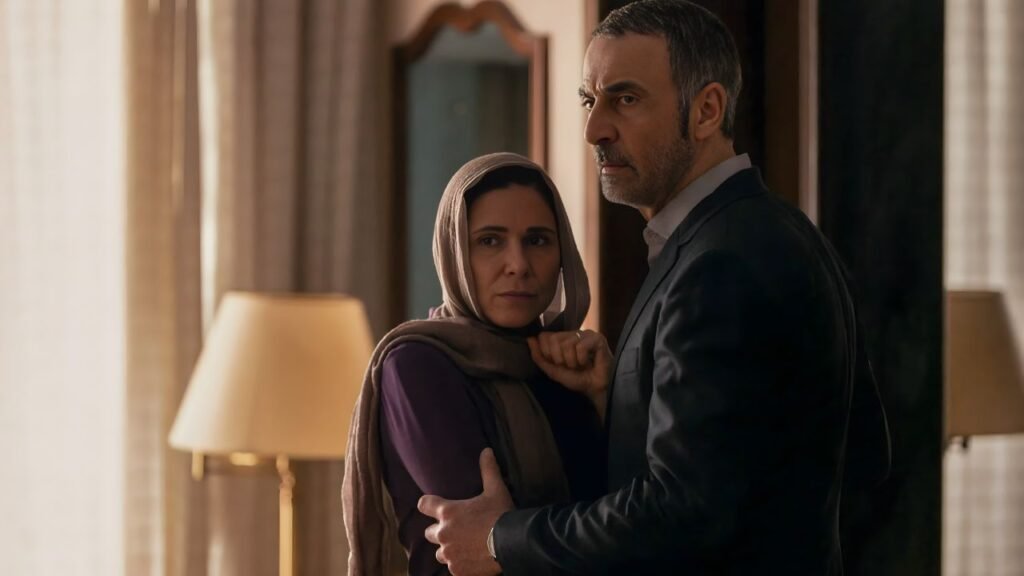
Shaun Toub’s Faraz Kamali continues to be one of the season’s most compelling figures. As a senior Iranian security official, Faraz grapples with ethical dilemmas that blur the line between duty and humanity. His internal struggle adds depth to the political tension, making him more than a conventional antagonist.
Hugh Laurie joins the series as Eric Peterson, a nuclear inspector whose motivations remain deliberately opaque. His presence introduces an additional layer of uncertainty, forcing viewers to question where power truly lies. The ambiguity surrounding his character strengthens the season’s suspense.
A Controlled, Relentless Build of Tension
Season 3 avoids unnecessary twists, instead allowing tension to accumulate gradually. The pacing is deliberate, occasionally restrained, but consistently effective. Rather than offering easy resolutions, the series leans into discomfort — emotionally and politically.
The atmosphere remains one of the show’s strongest assets. Tehran is portrayed as a city of constant surveillance and unspoken danger, reinforcing the idea that no character is ever truly safe.
Jay-ho Verdict
Tehran Season 3 succeeds by narrowing its focus. While the stakes are global, the storytelling remains grounded in personal consequence and moral ambiguity. Strong performances, particularly from Niv Sultan and Shaun Toub, anchor the season’s intensity.
Though the slower pacing may test some viewers’ patience, the payoff lies in its emotional depth and sustained suspense. Season 3 confirms Tehran as a mature espionage drama that prioritises character over spectacle — and does so with confidence.
Jay-Ho! will update this review if future developments or seasons are announced.