









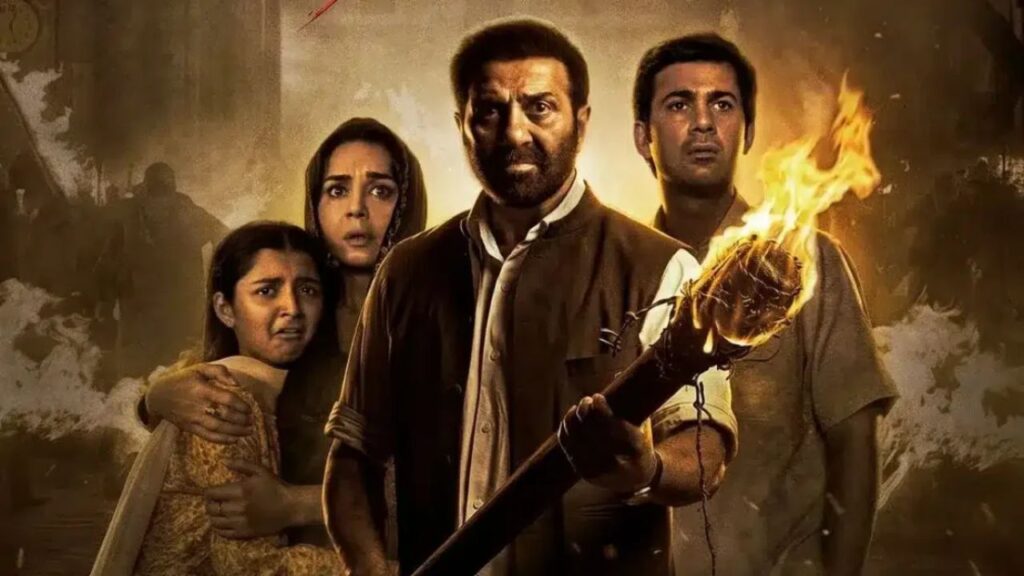

The makers of Batwara 1947 have released the film’s character posters, offering a closer look at Sunny Deol, Preity Zinta, Shabana Azmi, Ali Fazal, Karan Deol and Abhimanyu Singh in their Partition-era roles. The Rajkumar Santoshi directorial is set to release in theatres on August 14, 2026.
Key Takeaways
- Batwara 1947 character posters have been officially unveiled.
- The film stars Sunny Deol, Preity Zinta, Shabana Azmi, Ali Fazal and Karan Deol.
- Directed by Rajkumar Santoshi and produced by Aamir Khan.
- The film is based on Asghar Wajahat’s acclaimed play Jis Lahore Nai Vekhya, O Jamya E Nai.
- Batwara 1947 releases in cinemas on August 14, 2026.
Some posters introduce characters.
Others introduce an entire era.
The newly released character posters of Batwara 1947 do something bigger. They don’t just showcase the film’s star-studded cast. They hint at the emotional scars, sacrifices and human stories hidden behind one of the most defining chapters in Indian history.
After the motion poster sparked curiosity, these new visuals offer audiences their first meaningful look at the people who will carry this story forward. And judging by the expressions alone, Batwara 1947 isn’t interested in treating Partition as a history lesson. It wants viewers to feel its human cost.
What Happened
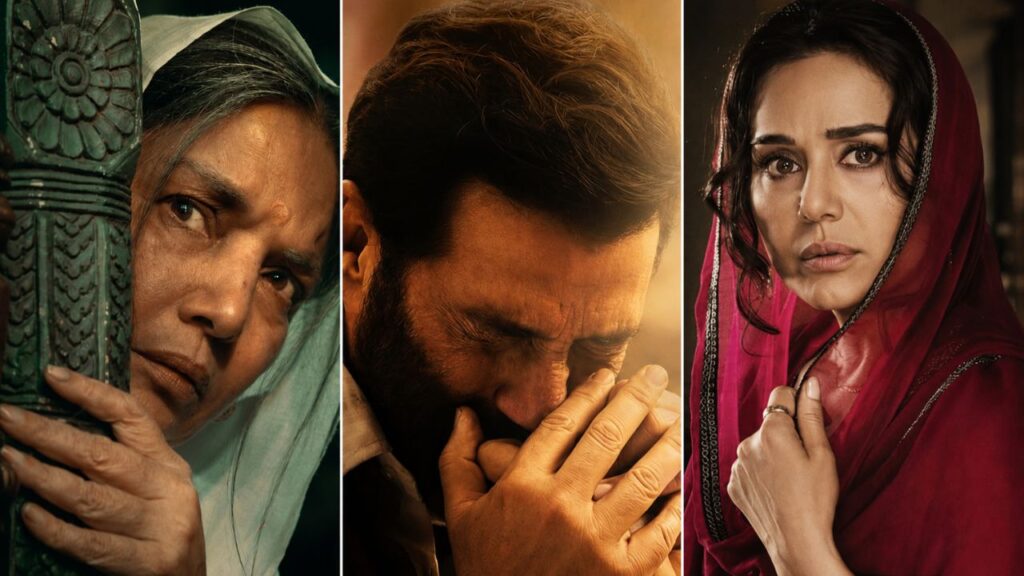
The makers of Batwara 1947 have unveiled a fresh set of character posters featuring the film’s principal cast. The posters showcase Sunny Deol, Preity Zinta, Shabana Azmi, Karan Deol, Ali Fazal and Abhimanyu Singh in striking new avatars that immediately transport viewers to the turbulent period surrounding India’s Partition.
Each poster highlights a different emotional shade, from determination and resilience to grief and uncertainty. Rather than focusing on spectacle, the visuals place the characters front and center, emphasizing the people whose lives were forever altered by historical events.
Sharing the posters on social media, the makers wrote, “In a world torn apart, their story was a testament to courage. Meet the people who lived through it all. Batwara 1947, in theatres from August 14.”
Why Fans Are Talking About It
One thing audiences noticed immediately is how restrained the posters feel.
In an era where first-look posters often rely on larger-than-life heroism, Batwara 1947 takes a different route. The characters look weathered by circumstance rather than elevated by it. That choice makes the visuals feel more authentic and emotionally grounded.
The return of Sunny Deol and Preity Zinta to a large-scale period drama has also generated considerable interest. Both actors have strong emotional recall among audiences, and seeing them reunite in a story rooted in history has naturally sparked curiosity.
The film’s association with Rajkumar Santoshi and Aamir Khan has further raised expectations. It’s a combination that signals ambition, scale and storytelling depth.
A Closer Look at the Character Posters
The newly released posters present each actor in a completely transformed look.
Sunny Deol appears intense and battle-tested, carrying the weight of a man navigating extraordinary circumstances. Preity Zinta’s poster reflects quiet strength, hinting at a character who may play a significant emotional role in the narrative.
Shabana Azmi commands attention with her dignified presence, while Ali Fazal and Karan Deol appear deeply immersed in the film’s period setting. Abhimanyu Singh’s look adds another layer of intrigue, suggesting the story will explore multiple perspectives during a time of immense upheaval.
Together, the posters paint a picture of ordinary individuals trying to survive extraordinary events.
Hidden Detail Most People Missed
Most conversations have focused on the cast.
The more interesting detail is the absence of overt nationalism in the promotional material.
Many historical dramas market themselves through grand patriotic imagery. Batwara 1947 appears to be focusing instead on displacement, identity and human relationships. The posters emphasize faces and emotions rather than flags and slogans.
That subtle distinction could reveal a lot about the film’s storytelling approach.
It suggests the narrative may be less interested in political rhetoric and more interested in the personal consequences of Partition.
Industry Insight
Historical dramas have become increasingly difficult to market.
Audiences today expect more than scale and period costumes. They want emotional authenticity and stories that feel relevant to contemporary conversations about identity, belonging and community.
That’s why Batwara 1947 arrives at an interesting moment.
1. Audiences Are Responding to Human Stories
Viewers increasingly connect with historical films that focus on individual experiences rather than textbook events.
2. Star Power Still Matters
The combination of Sunny Deol, Preity Zinta and Shabana Azmi gives the film both nostalgia value and acting credibility.
3. Independence Day Weekend Remains Prime Real Estate
Releasing on August 14 places the film in one of the most commercially significant windows of the year, when audiences are naturally drawn toward stories connected to India’s history.
Why This Matters
Partition remains one of the most emotionally charged subjects in South Asian history.
Yet many younger viewers know it primarily through dates, textbooks and brief classroom discussions. Cinema has the unique ability to transform historical events into personal experiences, allowing audiences to connect with stories through emotion rather than information.
That’s where Batwara 1947 could find its strongest impact.
The film appears focused on the people caught in the middle of history rather than the history itself.
Fan Psychology Insight
Audiences often feel drawn to Partition stories because they carry a sense of inherited memory.
Even viewers who never experienced those events frequently grow up hearing stories from grandparents and older family members. Those memories become part of a family’s identity and emotional history.
As a result, films based on Partition are rarely consumed as ordinary dramas. They are often experienced as reflections of personal heritage, loss and resilience.
That emotional connection is one reason Batwara 1947 has generated curiosity long before its release.
What This Could Mean Next
The release of the character posters marks the beginning of a more aggressive promotional campaign.
With the film arriving during the Independence Day weekend, audiences can likely expect a trailer, music launches and behind-the-scenes glimpses over the coming weeks. The involvement of A. R. Rahman and Javed Akhtar also means the soundtrack could become a major talking point ahead of release.
If the promotional material continues emphasizing emotion over spectacle, Batwara 1947 may distinguish itself from many recent historical dramas.
Trend Analysis
One of the biggest shifts in Indian cinema is the growing preference for emotionally driven historical storytelling.
Films that humanize major events often resonate longer than those focused purely on scale. Based on its posters and promotional strategy so far, Batwara 1947 seems to understand that distinction.
Rather than selling the film as a history chapter brought to life, the makers are presenting it as a story about families, identity and survival. That approach could ultimately become its biggest strength.
Jay-Ho Highlights
The most intriguing aspect of Batwara 1947 may be its title change from Lahore 1947. The new title immediately broadens the film’s emotional scope, shifting attention from a place to the experience of division itself. Watching how audiences respond to that thematic shift could become one of the film’s most fascinating stories.
FAQs
When is Batwara 1947 releasing in theatres?
Batwara 1947 is scheduled to release in cinemas on August 14, 2026, during the Independence Day weekend.
Who stars in Batwara 1947?
The film features Sunny Deol, Preity Zinta, Shabana Azmi, Ali Fazal, Karan Deol, Abhimanyu Singh, Khushi Hajare and several other actors in key roles.
Who is directing Batwara 1947?
Batwara 1947 is directed by Rajkumar Santoshi and produced by Aamir Khan under Aamir Khan Productions.
What is Batwara 1947 based on?
The film is based on Asghar Wajahat’s acclaimed play Jis Lahore Nai Vekhya, O Jamya E Nai, which explores themes of identity, migration and coexistence during Partition.
What is the story of Batwara 1947?
The film follows a Muslim family that migrates from Lucknow to Lahore during Partition and is allotted a haveli left behind by a Hindu family. The situation becomes complicated when they discover that a member of the Hindu family still lives in the house and refuses to leave, setting the stage for an emotional and thought-provoking conflict.
For more on Bollywood updates, stay with Jay-Ho.