








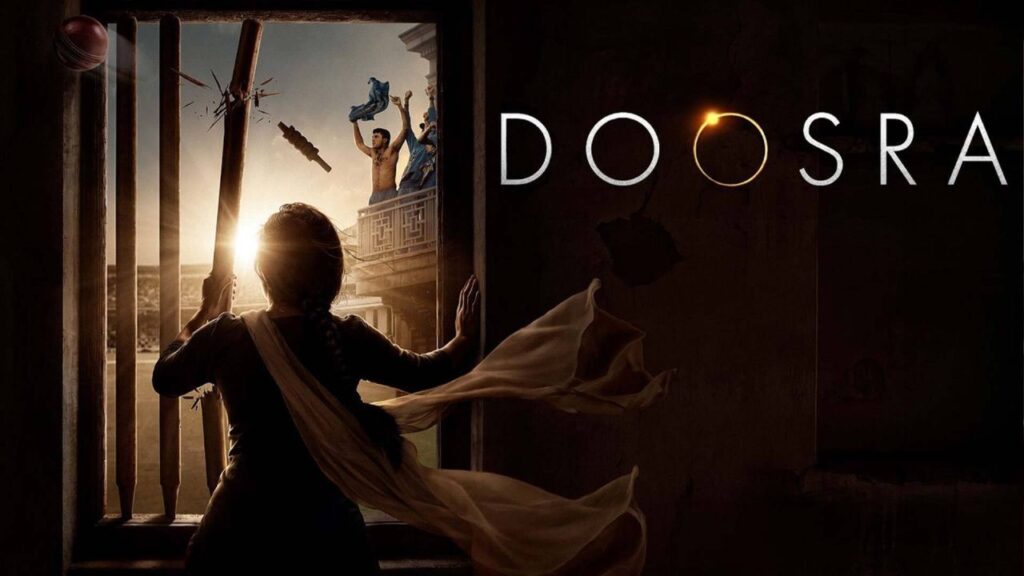
Doosra revisits one of the most memorable moments in Indian cricket history to tell a story that extends far beyond the boundary ropes. Directed by Abhinay Deo, the film draws inspiration from India’s celebrated victory in the 2002 NatWest final at Lord’s, connecting Sourav Ganguly’s iconic shirt-waving celebration with the personal struggle of a young woman trying to find her voice in a conservative household.
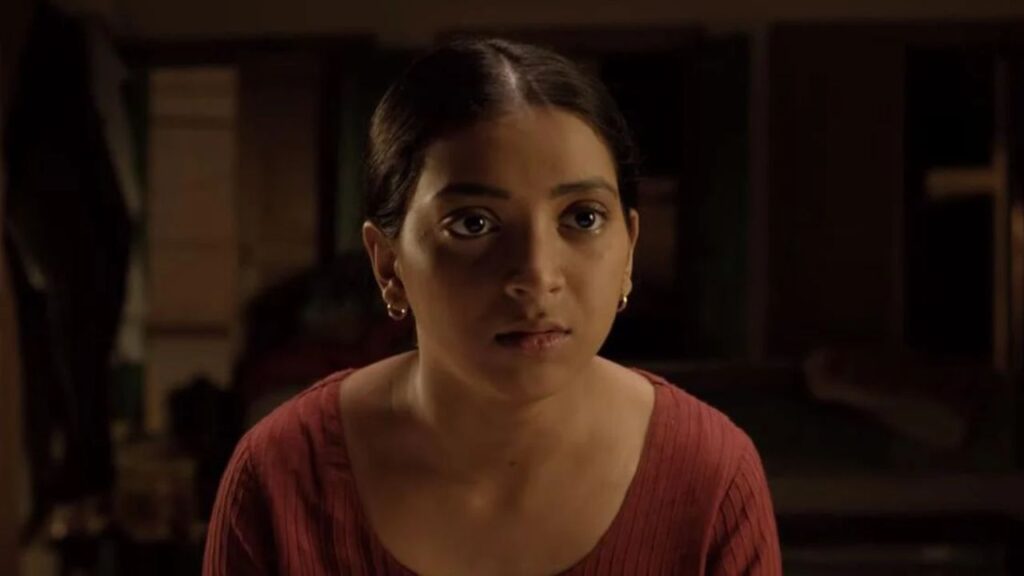
At the centre of the story is Tara, played by Plabita Borthakur. Feeling out of place in her own home, she questions the expectations imposed on her and begins to challenge the social rules that shape her life. When she watches Ganguly’s defiant celebration on television, the moment becomes a source of courage, encouraging her to confront the authority surrounding her.
Doosra Review: Two Stories Connected by Defiance
The film’s central idea rests on an intriguing parallel. Ganguly’s celebration at Lord’s became a defining image of Indian cricket, representing a new confidence and a willingness to respond to criticism on a global stage. Doosra uses that public moment to explore a quieter but equally personal battle against entrenched expectations.
The cricketing backdrop also recalls a turbulent period for Indian cricket. Match-fixing allegations had shaken public confidence in the sport, while Sachin Tendulkar’s departure from the captaincy preceded Ganguly’s rise to leadership. The doubts surrounding the team and its future provide context for a story about resilience, public scrutiny and the difficult process of earning trust.
Rather than treating cricket as the film’s only subject, Abhinay Deo uses its emotional significance to illuminate Tara’s circumstances. The connection between the two narratives gives the story its defining idea: moments of resistance can inspire people far removed from the situations in which they first occur.
Plabita Borthakur Delivers a Standout Performance
Plabita Borthakur anchors Doosra with a performance that makes Tara’s frustration and growing confidence central to the film’s emotional impact. Her character questions everyday expectations, from household responsibilities to the assumption that marriage should determine a woman’s future.
Tara’s resistance is not presented simply as a dramatic rebellion. It emerges through the ordinary situations that define her life, allowing the character’s questions and decisions to carry meaning beyond the immediate family conflict. Borthakur’s performance gives this journey its emotional grounding.
Ankur Vikal is equally effective as the patriarchal head of Tara’s household. His character embodies the authority that Tara is increasingly unwilling to accept without question. Vikal brings an imposing presence to the role, creating a tense dynamic that strengthens the film’s exploration of power within the family.
Samidha Guru and the Supporting Cast Add Depth
Samidha Guru brings nuance to Tara’s mother, a woman who has largely accepted the role assigned to her within the household. Her character provides an important contrast to Tara: where the younger woman questions established expectations, her mother reflects the compromises and adjustments that can make those expectations seem normal.
Navin Ratwa, as Tara’s brother, contributes to the portrayal of a family structure in which male privilege goes largely unchallenged. The supporting performances help establish the everyday environment against which Tara’s questions become increasingly difficult to ignore.
The cast also includes Tvisha Seema and Krishna Gokani. Together, the performances support the film’s family drama without losing sight of the larger cricketing reference that shapes its narrative.
Abhinay Deo’s Direction Keeps the Narrative Moving
Abhinay Deo moves between the cricketing timeline and Tara’s personal story, linking two seemingly different worlds through their shared themes of resistance and changing expectations. The contrast gives the film a distinctive narrative structure, allowing a familiar sporting memory to acquire a more intimate meaning.
The direction also makes room for humour alongside the drama. These lighter moments offer relief while exposing the contradictions within a rigid social setup. The result is a story that approaches questions of gender, authority and personal freedom through recognisable family situations rather than relying entirely on confrontation.
The screenplay by Agnello Oswin Dias, Matt Graham and Masha Sajdeh shapes the film around this juxtaposition. Ram Sampat’s original score provides the musical framework for a narrative that moves between the public excitement of cricket and the private tensions of family life.
Doosra Verdict: A Cricket Memory With a Personal Message
Doosra uses Sourav Ganguly’s famous 2002 celebration as more than a nostalgic reference. By placing that moment alongside Tara’s struggle for independence, the film explores how an act of defiance can resonate beyond its original setting.
Plabita Borthakur’s central performance, Ankur Vikal’s commanding presence and Abhinay Deo’s interwoven storytelling form the core of the film’s appeal. Its distinctive premise connects Indian cricket history with a continuing conversation about gender roles, family authority and the courage required to question accepted norms.
For viewers interested in character-driven drama and stories that find personal meaning in public events, Doosra offers a different perspective on a moment many cricket fans remember.