





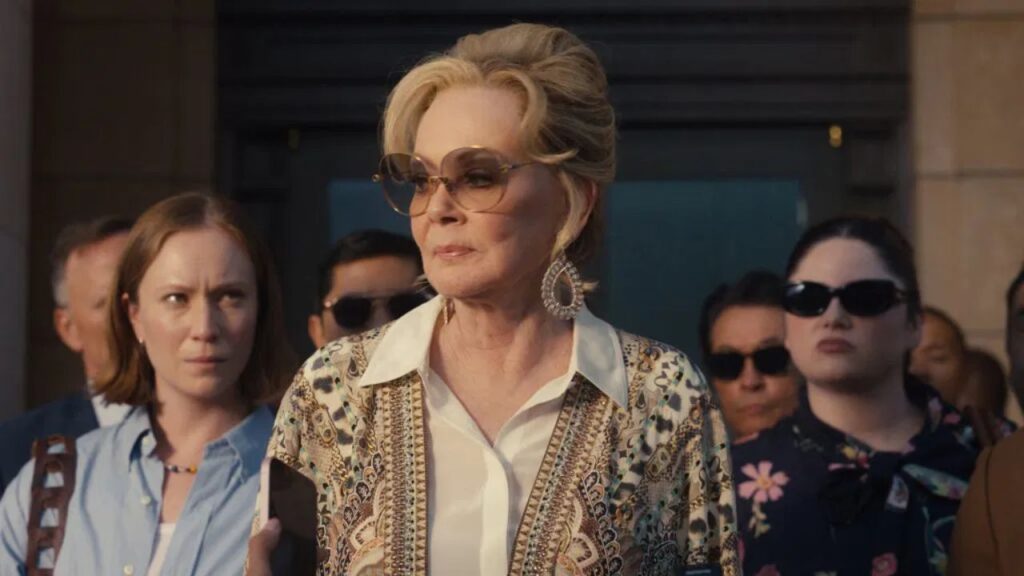

Hacks Season 5 continues to push boundaries, and one of the most talked-about conversations around the Emmy-winning HBO comedy is its deep connection to queer identity, chosen family, and diva culture. Actress Hannah Einbinder, who plays Ava Daniels, recently opened up about why Jean Smart’s Deborah Vance has become such a queer icon.
The latest season has embraced bold storytelling choices, but beneath the humor and chaos lies a deeper emotional truth. According to Einbinder, queerness has always been central to the spirit of Hacks, both in its characters and in the world the show creates.
As the final season unfolds, that identity remains one of the series’ strongest and most beloved elements.
Hacks Season 5 Keeps Expanding Its Creative World
In its fifth and final season, Hacks Season 5 appears determined to take risks and have fun with its storytelling.
Recent episodes have included wild scenarios, celebrity competition satire, emotional family moments, and theatrical comedy setups. One of the newest episodes features Deborah Vance and Ava pretending to be a couple in order to secure a Bob Mackie-designed jumpsuit for an important Madison Square Garden performance.
That absurd and stylish plotline perfectly captures what Hacks does so well — blending outrageous comedy with emotional character dynamics.
However, beyond the laughs, the episode also highlights the show’s ongoing relationship with queer themes and identity.
Why Deborah Vance Is a Queer Icon
Speaking about Deborah Vance, Hannah Einbinder explained that her status as a queer icon is deeply connected to who the character is.
Deborah represents many classic qualities associated with iconic divas:
- Strength through adversity
- Reinvention across decades
- Sharp wit and resilience
- Glamour with vulnerability
- Outsider energy turned into power
- Emotional complexity behind confidence
These traits have historically resonated with queer audiences, who often connect with figures that embody survival, style, and self-made identity.
That is why Deborah Vance feels bigger than just a comedy character.
She has become symbolic.
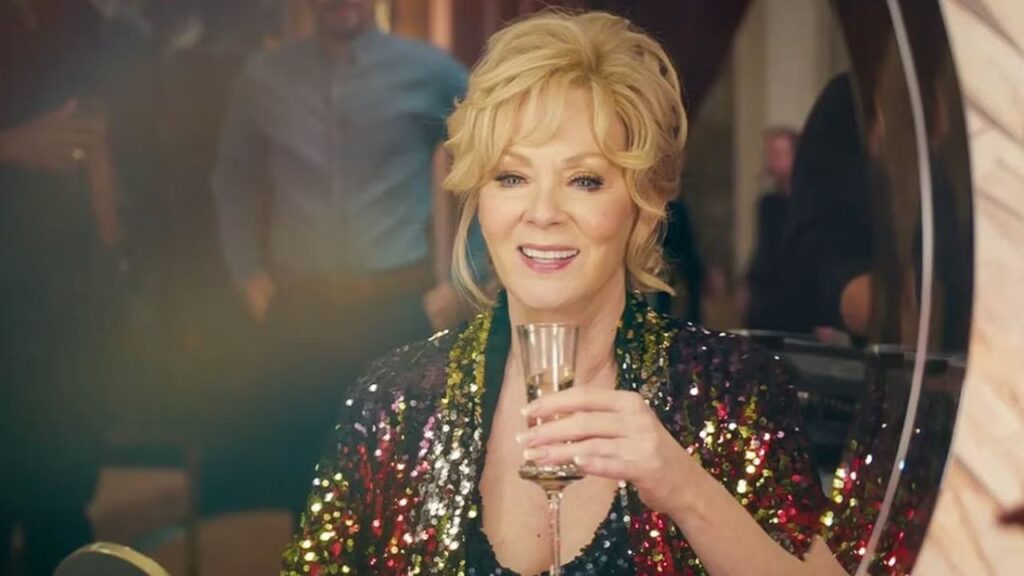
Hannah Einbinder on Authentic Queer Representation
Einbinder also praised the show’s writing for creating realistic, layered queer characters rather than stereotypes.
She noted that Ava felt like a fully realized person from the moment she first read the role. That matters because audiences increasingly demand authenticity, especially in stories involving identity and representation.
Instead of using queerness as decoration or punchline material, Hacks integrates it naturally into character behavior, humor, relationships, and worldview.
That authenticity is one reason the show has earned lasting respect.
Ava Daniels Helped Modernize the Series
While Deborah Vance represents an older entertainment generation, Ava Daniels functions as a bridge to younger audiences.
Ava brings:
- Millennial and Gen Z perspective
- Open conversations about sexuality
- Modern cultural awareness
- Messy emotional honesty
- Career anxiety and ambition
- Tension with tradition
The Deborah-Ava relationship remains the emotional engine of the show. Their generational contrast gives Hacks both comedic spark and thematic depth.
Because of this pairing, the series can explore changing ideas around identity, fame, and relevance.
Deborah Vance and the Diva Tradition
Queer audiences have long embraced larger-than-life divas from music, film, and television.
Deborah Vance fits that tradition because she combines glamour, sharp intelligence, loneliness, and fierce independence.
She is polished but wounded. Powerful but vulnerable. Funny but deeply human.
Those contradictions make iconic characters memorable.
Jean Smart’s performance elevates Deborah even further, turning her into one of television’s standout modern creations.
Hacks Season 5 Balances Comedy With Meaning
One of the biggest achievements of Hacks Season 5 is its ability to remain hilarious while still exploring serious emotional territory.
The show handles themes like:
- Aging in entertainment
- Career relevance
- Female ambition
- Family wounds
- Creative insecurity
- Identity and belonging
That balance is difficult to achieve. Many comedies stay surface-level, while many dramas lose humor.
Hacks manages both.
Why Fans Connect So Deeply With the Show
The popularity of Hacks comes from emotional truth hidden inside sharp comedy.
Fans connect because the series understands:
- The fear of becoming irrelevant
- Wanting approval from difficult people
- Needing reinvention
- Protecting softness behind sarcasm
- Searching for joy after disappointment
These are universal feelings, which is why the show reaches beyond any single demographic.
Why Deborah and Ava Remain TV’s Best Duo
Few recent television partnerships have matched the energy of Deborah and Ava.
They challenge, annoy, inspire, and expose each other constantly.
Deborah represents legacy.
Ava represents disruption.
Together, they create growth.
That dynamic has made them one of the strongest mentor-rival relationships in modern comedy television.
Final Verdict
Hacks Season 5 continues to prove why it is one of television’s smartest comedies. Hannah Einbinder’s comments about Deborah Vance being a queer icon highlight something fans already understood — the show’s emotional and cultural power runs much deeper than jokes.
Deborah Vance stands as a glamorous, resilient, flawed, unforgettable figure, while Hacks itself remains a celebration of reinvention, joy, and identity.
As the final season unfolds, the series is not just ending strong — it is cementing its legacy.