


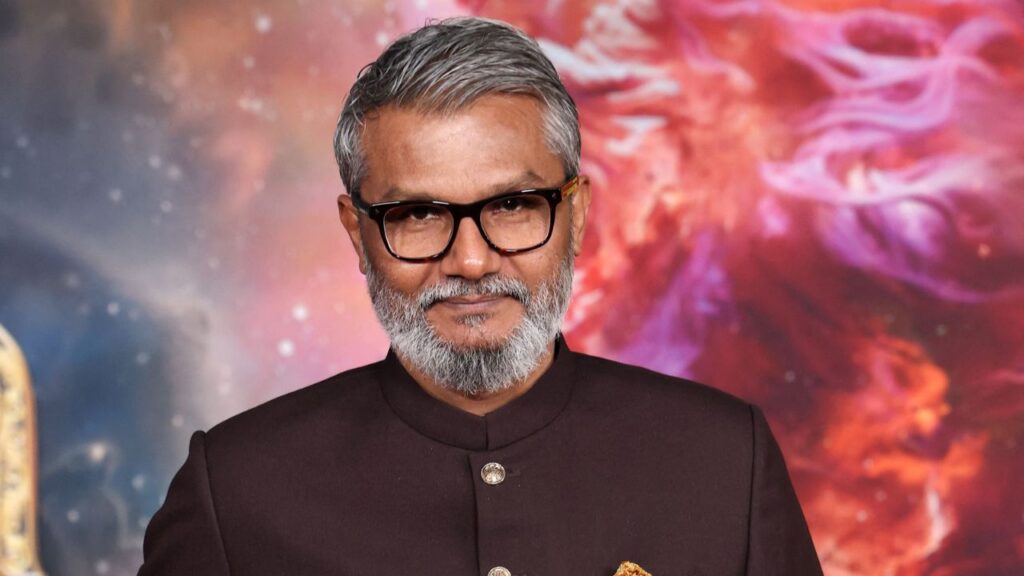

Director Nitesh Tiwari has clarified how artificial intelligence (AI) is being used in Ramayana: Rise of a Legend, stating that the technology is being used for lip synchronisation rather than voice dubbing. Speaking at the film’s world premiere in Los Angeles, Tiwari said real voice artists recorded the dialogues for the film’s multilingual versions. The clarification comes amid speculation about AI’s role in bringing the epic to audiences worldwide.
Key Points
- Nitesh Tiwari says AI is being used to synchronise characters’ lip movements with dubbed dialogue.
- The director clarified that human voice artists recorded the dubbed voices.
- His comments came at the film’s world premiere in Los Angeles on October 27.
- Ramayana: Rise of a Legend stars Ranbir Kapoor, Sai Pallavi and Yash.
- The film is scheduled for a worldwide theatrical release on November 5, 2026.
Nitesh Tiwari Explains How AI Is Being Used in Ramayana
Questions about AI’s role in Ramayana: Rise of a Legend have attracted attention as the film prepares to reach audiences in multiple languages. Some speculation suggested that artificial intelligence was being used to generate the dubbed voices as well as adjust the characters’ lip movements.
Addressing the issue at the Los Angeles premiere, Tiwari explained that the technology is being used to make the characters’ mouth movements match dialogue recorded in different languages. He said the aim is to help audiences watch the film in their preferred languages while improving the visual experience of dubbed scenes.
“As far as AI is concerned, it’s only being used to lip sync, so that we can present the film to the world in their language. All the voices are dubbed by the artists,” Tiwari said.
He further emphasised that AI was used to get the lip movements right, while the voices were recorded by artists. His clarification specifically addressed AI’s role in lip synchronisation and voice dubbing.
‘Voice Is Dubbed by Real Artists Only’
Tiwari’s statement draws a distinction between using AI to adjust visual lip movements and using it to create or reproduce voices. According to the director, the multilingual versions use recordings made by voice artists, with AI assisting in synchronising the on-screen mouth movements with the dialogue.
The distinction matters as filmmakers increasingly explore technology to adapt productions for international audiences. Traditional dubbing can sometimes create a visible mismatch between a character’s mouth movements and the words being heard. Lip-synchronisation technology aims to reduce that mismatch for viewers watching a film in another language.
Tiwari said the technology would help audiences experience Ramayana in their native languages. He did not, in the cited clarification, provide a detailed technical breakdown of the process or specify every language version in which the technique is being applied.
His comments address the film’s dubbing and lip-synchronisation process; they should not be interpreted as a broader statement about whether AI has been used in any other aspect of the production.
Why AI Use in Film Dubbing Is Drawing Attention
The discussion surrounding Ramayana reflects a wider debate about artificial intelligence in filmmaking. From visual effects and localisation to voice work and digital performances, AI tools are creating new possibilities while raising questions about the role of human artists.
Dubbing artists are central to the process of adapting films for audiences who speak different languages. Their performances convey emotion, character and cultural nuance, making voice work an important part of how a story connects with viewers beyond its original language.
Tiwari’s clarification puts the focus on the distinction between technological assistance and the human performance itself. By stating that real artists recorded the voices, the director addressed concerns about whether AI-generated speech was replacing dubbing professionals in the film.
The announcement also highlights the growing importance of multilingual releases for large-scale Indian productions seeking an international audience. For a story as culturally significant as the Ramayana, language accessibility is an important part of the filmmakers’ effort to reach viewers across regions.
Ranbir Kapoor, Sai Pallavi and Yash Attend the Los Angeles Premiere
The clarification came during the Los Angeles world premiere of Ramayana: Rise of a Legend on October 27, 2026. Tiwari was joined by lead actors Ranbir Kapoor, Sai Pallavi and Yash, alongside producer Namit Malhotra and other members of the film’s team.
The premiere brought the ambitious adaptation into the international spotlight ahead of its planned worldwide theatrical release. The film reimagines the Indian epic on a large cinematic scale, with Kapoor playing Lord Rama, Sai Pallavi portraying Sita and Yash taking on the role of Ravana.
The project is planned as a two-part adaptation, with the first instalment scheduled to arrive in cinemas on November 5, 2026. Its international release and multilingual presentation have made the production’s approach to technology and accessibility a subject of discussion ahead of its debut.
Ramayana: Rise of a Legend Release Date
Ramayana: Rise of a Legend is scheduled to release in theatres worldwide on November 5, 2026, coinciding with the Diwali period. Directed by Nitesh Tiwari and produced by Namit Malhotra, the film is designed as a large-scale cinematic adaptation of the Indian epic.
The film’s cast includes Ranbir Kapoor as Lord Rama, Sai Pallavi as Sita, Yash as Ravana and Sunny Deol as Hanuman. The production also features music by Hans Zimmer and A. R. Rahman.
With its international premiere completed, attention now turns to the film’s theatrical rollout and audience response. Tiwari’s comments have also clarified one specific aspect of the production: AI is being used for lip synchronisation, while human artists are responsible for the dubbed voices.
JAY-HO! READ
Nitesh Tiwari’s clarification addresses a key question surrounding the multilingual versions of Ramayana: Rise of a Legend. The director says AI is being used to synchronise lip movements with dialogue, not to replace the voice artists recording the dubbed performances. As the film prepares for its November 5, 2026 release, the explanation brings attention to how technology and human performance are being combined to make Indian cinema accessible to audiences worldwide.
What to Watch Next
The next major milestone is the film’s worldwide theatrical release on November 5, 2026. Further details about its language versions and technical approach may provide more context about how the makers are adapting the epic for international audiences.
Stay tuned to Jay-Ho! for more Bollywood and entertainment updates.