











The ending of Other Mommy reveals that the entity is a trickster demon trying to possess eight-year-old Bela by gaining her permission to enter her heart. Bela ultimately rejects its offer to erase her emotional pain. Although the final Christmas scene suggests her family is healing, a subtle sign of Ursula’s returning unhappiness leaves their future uncertain.
Jessica Chastain stars in Other Mommy, a supernatural horror film directed by Rob Savage that arrived in theatres on October 9, 2026. The story centres on Isabela “Bela” Martin, an eight-year-old girl whose frightening encounters with a figure resembling her mother become increasingly dangerous as her family struggles with emotional and relationship problems.
Spoilers ahead: The film’s ending connects the supernatural threat to Bela’s emotional vulnerability. To understand why the entity wants her, it is important to look at what it is, why it needs her permission, and what Bela’s final decision means.
Key Points
- Other Mommy is revealed to be a trickster demon seeking to possess Bela.
- The entity needs Bela’s permission to enter her heart.
- Ursula’s revelations about motherhood and Bela’s biological father leave the child emotionally devastated.
- Bela resists the demon by accepting that pain is part of being human.
- The Christmas epilogue offers hope for the family while hinting that its problems may not be entirely resolved.
What Is the Supernatural Entity in Other Mommy?
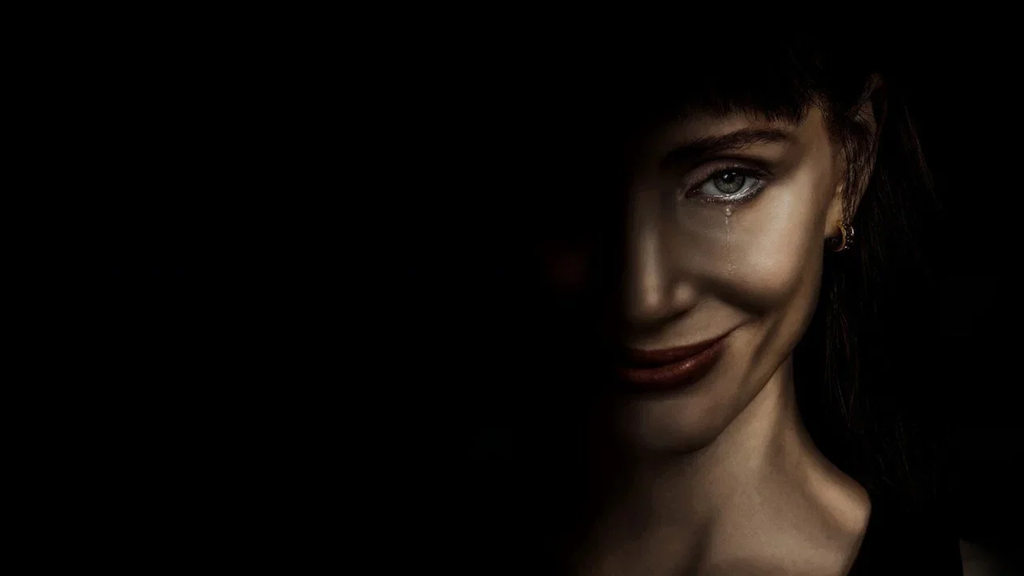
Other Mommy is a trickster demon that takes the form of Bela’s mother, Ursula, to gain the child’s trust and manipulate her emotions. Its resemblance to Ursula makes the entity especially frightening: it exploits the security a child might ordinarily associate with a parent.
The entity’s objective is not simply to frighten Bela. It wants to possess her, and it repeatedly asks to enter her heart. That request becomes central to the film’s supernatural rules because the demon cannot complete the process without Bela’s permission.
By making consent part of the threat, the film turns Bela’s emotional struggles into a supernatural vulnerability. The entity looks for moments when she feels frightened, rejected or overwhelmed, offering what appears to be comfort while concealing the cost of accepting it.
Why Does Other Mommy Want to Enter Bela’s Heart?
Other Mommy wants Bela to let it in so that it can possess her. Its promise is designed to appeal to a child who is struggling to make sense of her family’s problems: if Bela gives the entity permission, it claims she will never have to experience pain again.
That offer becomes especially tempting after Bela learns the truth about her parents. Ursula admits that she initially did not want to have a child because she feared losing her freedom. Bela also discovers that Russ is not her biological father.
These revelations undermine Bela’s sense of security. She is already dealing with the distance between her parents, and the confessions leave her questioning her place in the family. Other Mommy uses that emotional devastation to make possession seem like an escape.
The entity’s promise, however, is not genuine care. It offers relief on its own terms, asking Bela to surrender something fundamental in exchange for a life supposedly free of suffering.
Why Does Bela Initially Consider Accepting the Demon?
After hearing her mother’s confessions, Bela runs to her bedroom and calls for Other Mommy. The decision reflects the emotional impact of what she has just learned rather than a simple desire to embrace evil.
Bela is a child trying to understand painful truths about the adults she depends on. Ursula’s admission about motherhood can make Bela feel unwanted, while the revelation about Russ’s paternity destabilises another part of her understanding of the family.
The demon approaches at precisely this moment of vulnerability. By promising that Bela will never feel pain again, it offers a seemingly simple solution to emotions she does not yet know how to process.
The scene makes the entity dangerous because its temptation is emotionally recognisable. Bela wants the hurt to stop, and Other Mommy presents surrender as the easiest way to achieve that.
How Does Bela Defeat Other Mommy?
Bela remembers a lesson from her grandmother Ruth: pain is an unavoidable part of being alive. Instead of treating every painful feeling as something she must escape, Bela begins to understand that suffering is part of being human.
That realisation helps her resist the demon’s offer. Other Mommy’s promise depends on Bela believing that a life without emotional pain is worth the price of letting the entity inside her. Bela rejects that bargain and repeatedly refuses to give it permission to enter her heart.
The refusal breaks the demon’s hold, allowing Bela to defeat it.
Her victory is therefore both supernatural and emotional. She does not overcome the entity simply by becoming fearless or pretending her family’s problems do not matter. She fights back by refusing to let her pain make the decision for her.
What Does the Final Christmas Scene Mean?
Months later, Bela, Ursula and Russ are shown happily putting up Christmas lights together. The scene offers a welcome contrast to the fear and conflict that dominated the family’s earlier experiences.
Their shared activity suggests that they have begun rebuilding their relationship. The family is spending time together again, and the ordinary warmth of the moment provides a sense of relief after Bela’s confrontation with the demon.
However, the ending does not offer a completely uncomplicated happy conclusion. Bela notices signs that Ursula’s unhappiness is returning. That detail raises the possibility that the family’s underlying difficulties have not disappeared simply because the supernatural threat has been defeated.
The moment also reinforces one of the film’s central ideas: emotional pain cannot always be eliminated, and recovery does not mean that difficult feelings will never return. Bela has learned to resist the demon, but her family still has to navigate the realities of their relationships.
Does Other Mommy Set Up a Sequel?
The final scene leaves room for interpretation, but it does not, on its own, confirm that the demon will return or that a sequel is planned.
Ursula’s apparent unhappiness could signal that the family’s emotional problems remain unresolved. It also creates an unsettling contrast with the warmth of the Christmas scene, reminding viewers that a peaceful moment does not necessarily mean every problem has been fixed.
The film’s conclusion is therefore best understood as emotionally hopeful but not entirely reassuring. Bela has rejected the entity, yet the family’s future depends on how they respond to the problems that remain.
What Does Other Mommy’s Ending Really Mean?
At its heart, Other Mommy uses supernatural horror to explore a child’s fear of rejection and her desire to escape emotional suffering. The demon offers Bela relief, but only if she allows it to take control.
Bela’s decision to resist shows that acknowledging pain is different from surrendering to it. Her grandmother’s lesson helps her understand that difficult feelings are part of life, not proof that life is no longer worth living.
The Christmas epilogue extends that idea to the family as a whole. Their shared happiness suggests that repair is possible, while Ursula’s returning unhappiness leaves open the question of whether they can sustain it.
JAY-HO! READ
The ending of Other Mommy is not simply about a child defeating a supernatural monster. It is about Bela learning to face emotional pain without accepting a dangerous promise of escape. The demon loses its hold when she refuses to let it into her heart, but the final scene avoids suggesting that one victory can resolve every family problem. That balance between hope and uncertainty gives the film’s conclusion its lingering unease.
WHAT TO WATCH NEXT
Watch for official updates from the filmmakers and cast about the film’s future, including any announcement of a sequel or further explanation of the ending. Until such information is confirmed, Ursula’s final moments are best treated as an unsettling hint about the family’s unresolved struggles—not proof of another supernatural encounter.
Stay tuned to Jay-Ho! for more Hollywood movie and ending-explained updates.
Other Mommy Ending Explained: FAQs
1. What is Other Mommy in the film?
Other Mommy is a trickster demon that takes the appearance of Bela’s mother, Ursula. It manipulates Bela’s fears and emotional distress as it attempts to gain permission to enter her heart and possess her.
2. Why does Other Mommy ask to enter Bela’s heart?
The entity needs Bela’s permission to possess her. It repeatedly asks to enter her heart and promises to remove her emotional pain, using the offer to exploit her vulnerability.
3. Why does Bela want to let Other Mommy in?
Bela is devastated after learning that Ursula initially did not want to become a mother and that Russ is not her biological father. The demon’s promise of a life without pain becomes tempting when she feels overwhelmed by these revelations.
4. How does Bela defeat Other Mommy?
Bela remembers Ruth’s lesson that pain is part of being alive. She refuses to give the entity permission to enter her heart, breaking its hold and ultimately defeating it.
5. Is the ending of Other Mommy happy?
The ending is hopeful but ambiguous. Bela, Ursula and Russ appear to be rebuilding their relationship during the Christmas scene, although signs of Ursula’s returning unhappiness suggest that their problems may not be fully resolved.