










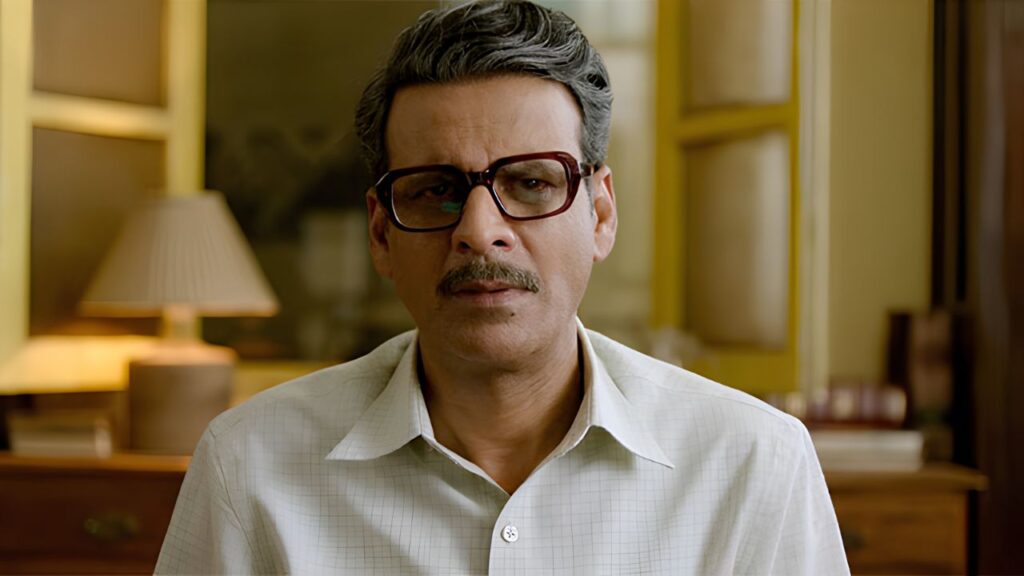

Manoj Bajpayee, Boman Irani and Divya Dutta are set to bring a gripping story of home, ambition and neighbourhood conflict to streaming audiences with Last Man in Tower. Directed by Ben Rekhi and produced by Rana Daggubati’s Spirit Media, the Hindi drama will premiere on ZEE5 on November 6, 2026.
Based on Aravind Adiga’s novel of the same name, the film is set in a Mumbai housing society where a lucrative redevelopment proposal divides residents. At the centre of the conflict is Yogesh Mishra, played by Manoj Bajpayee, a retired physics teacher who refuses to leave his apartment even after the other residents agree to the developer’s offer.
Yogesh’s decision puts him against neighbours and people he once considered friends. As tensions rise, the film explores the competing motivations behind the redevelopment dispute, including financial aspirations, personal ambitions and the emotional attachment people have to their homes.
What Is Last Man in Tower About?
The story revolves around a housing society facing a major redevelopment decision. While most residents are willing to accept the lucrative offer and move towards a new beginning, Yogesh refuses to surrender the apartment where he has built a lifetime of memories.
His stand gradually creates divisions within the community. What initially appears to be a disagreement over property becomes a deeper conflict involving relationships, individual choices and the price people are willing to pay for a better future.
Divya Dutta plays Sangita Puri, a housewife whose desire to secure a better life for her special-needs son puts her in conflict with Yogesh. Boman Irani portrays Dharmen Shah, the developer trying to move the redevelopment project forward.
Rather than presenting the disagreement as a straightforward battle between right and wrong, Last Man in Tower examines why different people make the choices they do. The film also connects its central conflict to Mumbai’s changing urban landscape, where redevelopment can transform familiar neighbourhoods and disrupt long-standing relationships.
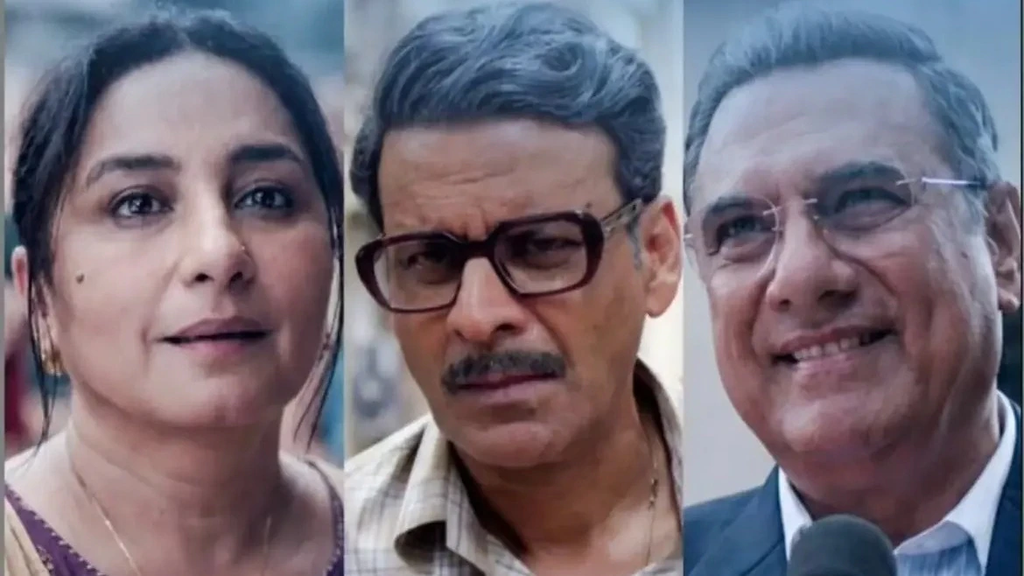
Manoj Bajpayee on Playing Yogesh Mishra
Manoj Bajpayee said the complexity and ambiguity of Yogesh Mishra were among the main reasons he accepted the role. The actor was particularly interested in portraying a character whose convictions leave audiences questioning whether his decisions are justified.
“What drew me to Last Man in Tower was the complexity of Yogesh Mishra. He is a man who stands firmly by his beliefs, yet the story leaves you questioning whether he is right or wrong. As an actor, I found that ambiguity fascinating because it allowed me to explore the many layers of a character who is stubborn, vulnerable and deeply attached to his home and the memories it holds,” he said.
Bajpayee also highlighted how the film reflects the human consequences of redevelopment in Mumbai. According to the actor, the story looks beyond the construction of new buildings to consider what families leave behind when they move away from familiar homes.
“In a city like Mumbai, where redevelopment has become part of everyday life and familiar buildings are constantly making way for new ones, the film looks at the human side of this change – what it means for families, the memories they leave behind and the uncertainty or excitement of starting afresh,” he added.
Divya Dutta on Sangita Puri and the Film’s Moral Complexity
Divya Dutta said she was drawn to the film because it explores human behaviour without dividing its characters into clearly right or wrong sides.
“What drew me to Last Man in Tower was the way it explores human behaviour and the choices people make without viewing them through a simple lens of right and wrong. Everyone has their own circumstances, aspirations and reasons for acting the way they do, which makes the conflict deeply relatable,” she said.
Speaking about the audience’s response to Sangita Puri, Dutta acknowledged that viewers may not always agree with her character’s behaviour but can still understand the circumstances behind her decisions.
“While audiences may not have agreed with her aggression, they understood where she was coming from and what shaped her choices. As an actor, knowing that people could connect with her, even when they didn’t necessarily agree with her, is incredibly rewarding,” she added.
Ben Rekhi on Bringing Aravind Adiga’s Novel to the Screen
Director Ben Rekhi described adapting Last Man in Tower as a fulfilling experience, crediting the cast and creative team for bringing the story to life. The screenplay is written by Sooni Taraporevala, based on Adiga’s novel.
“It’s been a deeply fulfilling experience bringing Last Man in Tower to life with an incredible team top to bottom, from Rana Daggubati producing, to Sooni Taraporevala scripting, all based on Aravind Adiga’s incredible book,” Rekhi said.
The director also spoke about working with Manoj Bajpayee and Boman Irani, highlighting their collaboration in the film.
“The most rewarding part has been witnessing the power of Manoj and Boman – two giants of cinema – working together for the first time in this film. Last Man in Tower is an urgent story about holding onto community and family through turbulent times, a story that has only become more relevant with time,” he added.
Rana Daggubati on Producing Last Man in Tower
Producer Rana Daggubati described the project as a human story about the choices people make and the things they struggle to let go of. He also praised the performances of the principal cast.
“Last Man in Tower is a deeply human story. There is something very compelling about the way it explores the choices we make and the things we hold on to. The entire ensemble of cast led by Manoj, Divya, Boman bring an incredible depth to their characters,” he said.
Last Man in Tower OTT Release Date and Platform
Last Man in Tower will premiere in Hindi on ZEE5 on November 6, 2026. The film stars Manoj Bajpayee, Boman Irani and Divya Dutta, with Ben Rekhi directing the adaptation of Aravind Adiga’s novel.
The supporting cast includes Sukant Goel, Harish Khanna, Chandan Roy Sanyal, Ujjwal Chopra and Swaroopa Ghosh. The screenplay is by Sooni Taraporevala, while Juhi Chaturvedi has written the dialogues.
With its focus on the emotional value of a home and the difficult choices surrounding urban redevelopment, the film brings a contemporary social conflict to the screen. Its central question is not simply whether Yogesh should accept the offer, but what happens when one person’s attachment to the past clashes with an entire community’s hopes for the future.