







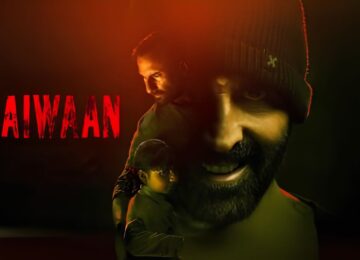


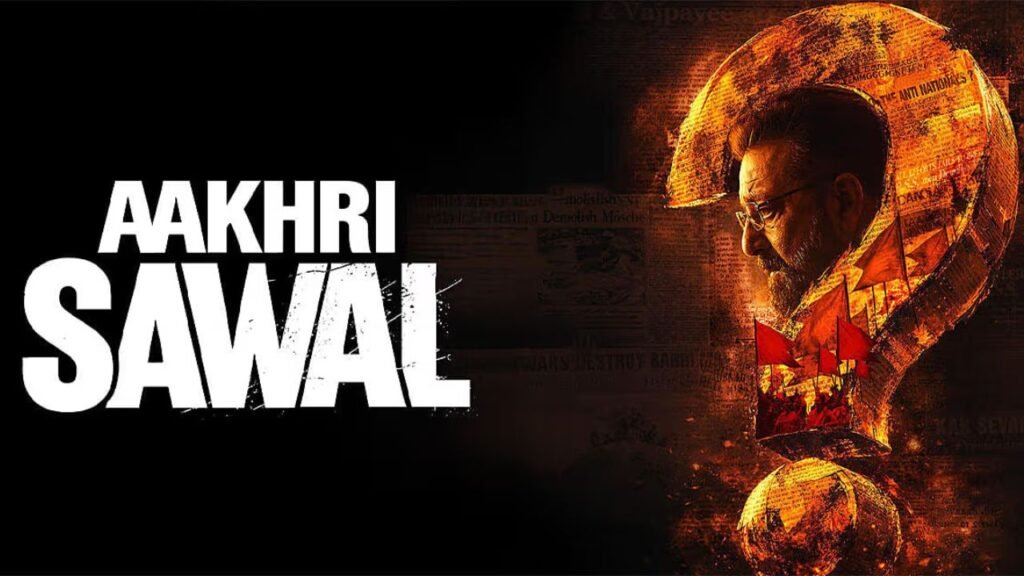
Aakhri Sawal is set to make history as the first Hindi film to release with Indian Sign Language, marking a major shift in accessibility in Indian cinema. Reports confirm Aakhri Sawal will hit theatres on May 8, 2026, with an ISL version available from day one. This groundbreaking move aims to bring cinema closer to millions of viewers often left out of the theatrical experience.
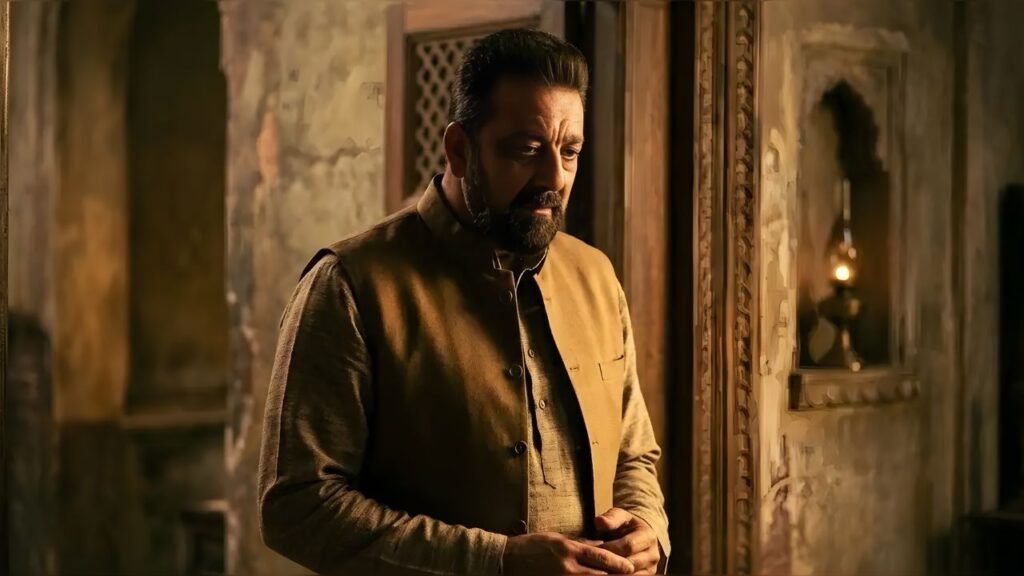
Headlined by Sanjay Dutt and directed by National Award-winning filmmaker Abhijeet Mohan Warang, the film is already generating strong buzz for both its subject and its inclusive approach.
Aakhri Sawal ISL Release — Core Story
Aakhri Sawal stands out not only for its narrative but also for its pioneering release strategy. The film will be the first Hindi feature film to be made accessible in Indian Sign Language (ISL).
This initiative ensures that audiences with hearing impairments can experience the film alongside mainstream viewers. Reports indicate that India has an estimated 4–5 crore visually challenged and deaf individuals, making this move a significant step toward inclusive entertainment.
The teaser, released earlier, offered a glimpse into the story centered around the history of Rashtriya Swayamsevak Sangh, adding a layer of depth and relevance to the film’s narrative.
Why This Matters
Accessibility in cinema has been a growing conversation globally, but implementation has often lagged behind. Aakhri Sawal sets a precedent by integrating ISL into its theatrical release rather than treating it as an afterthought.
Industry observers note that such initiatives can significantly expand audience reach while also fostering inclusivity. By making the film accessible from day one, the makers are ensuring that no section of the audience is excluded.
The move also aligns with broader efforts to make entertainment more inclusive, reflecting a shift in how films are conceptualized and distributed.
Public & Fan Reaction
The announcement has sparked positive reactions across social media platforms, with many praising the makers for taking a progressive step.
Fans and industry voices have highlighted the importance of making cinema accessible to all. The inclusion of ISL has been widely appreciated as a meaningful and necessary initiative rather than a symbolic gesture.
The buzz around Aakhri Sawal continues to grow, driven by both its subject and its inclusive approach.
Hidden Detail
Behind the scenes, the film brings together a strong creative team. It is presented by Nikhil Nanda and co-produced by Puneet Nanda, Dr. Deepak Singh, Gaurav Dubey, and Ujjwal Anand.
The story, screenplay, and dialogues are written by Utkarsh Naithani, known for crafting layered narratives.
The decision to include ISL reflects a conscious effort by the makers to go beyond traditional filmmaking practices and address real-world accessibility challenges.
What Comes Next
With its release scheduled for May 8, 2026, Aakhri Sawal is expected to lead conversations around inclusive cinema in India.
If successful, the film could encourage other filmmakers to adopt similar practices, potentially transforming how films are made and distributed.
The coming weeks are likely to see increased promotional activity, with more insights into the film’s narrative and its unique features.
Jay-Ho Spotlight
Aakhri Sawal is not just a film—it represents a shift in how cinema can reach audiences. By embracing accessibility, it sets a new benchmark for the industry. The decision to integrate Indian Sign Language from day one signals a deeper commitment to inclusivity, not just as a concept but as a practical, scalable model for mainstream filmmaking.
It also opens the door for wider industry adoption, encouraging producers and studios to rethink how content is delivered to diverse audiences. If supported by audiences and exhibitors, this approach could reshape theatrical experiences across India, making inclusivity a standard rather than an exception.