








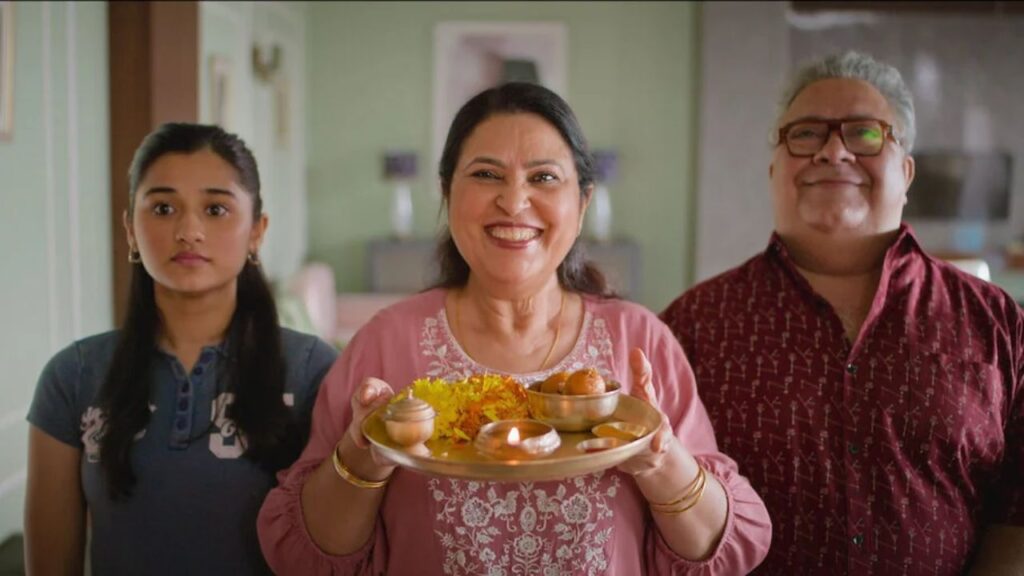

Some films remind us that having a bigger house does not necessarily mean having a happier home. Ritesh Menon’s Dilwali Diwali explores this idea through a Punjabi family’s festive gathering, bringing together themes of family bonds, generational differences and emotional attachment. Starring Mihir Ahuja, Manoj Pahwa, Neelu Kohli and Aurra Bhatnagar Badoni, the Netflix film has its heart in the right place, but its predictable storytelling prevents it from becoming a truly memorable family drama.
Set against the warmth of Diwali celebrations, the film follows Ansh Sikka (Mihir Ahuja), an engineer settled in Norway who returns home after three years to spend the festival with his parents and younger sister, Mahi (Aurra Bhatnagar Badoni). However, Ansh has a hidden agenda behind his visit, and his plans encounter an unexpected obstacle when he realises that his father’s emotional attachment to their old neighbourhood is much stronger than he anticipated.
At its core, Dilwali Diwali examines the difference between providing material comforts and understanding what makes someone feel at home. Ansh believes that improving his family’s living conditions is an expression of love, but his parents have their own understanding of happiness. The resulting conflict becomes the film’s central emotional thread.
Dilwali Diwali Story: A Son’s Plans Clash With His Father’s Attachment to Home
The film finds its footing in the familiar conflict between aspiration and attachment, modernity and tradition. Ansh returns with the intention of doing something for his family, but his father’s reluctance to leave the old neighbourhood forces him to reconsider what his parents actually want.
The screenplay raises a relatable question: does doing everything for your family give you the right to decide what is best for them? Ansh’s father challenges this assumption, reminding him that love and generosity should not become reasons to dictate another person’s choices.
This idea gives the narrative some emotional substance. The film also touches upon the distance that can develop between parents and children when they begin looking at happiness through different lenses. While the younger generation may associate progress with better facilities and a more comfortable lifestyle, older family members may find greater satisfaction in familiar surroundings, relationships and memories.
Unfortunately, the film does not explore these themes with enough dramatic depth. The situations are largely predictable, and the conflicts rarely develop into genuinely surprising moments. The screenplay follows a familiar path, making it easy to anticipate where the story is heading. What could have been an emotionally layered family drama often feels restrained by its own predictability.
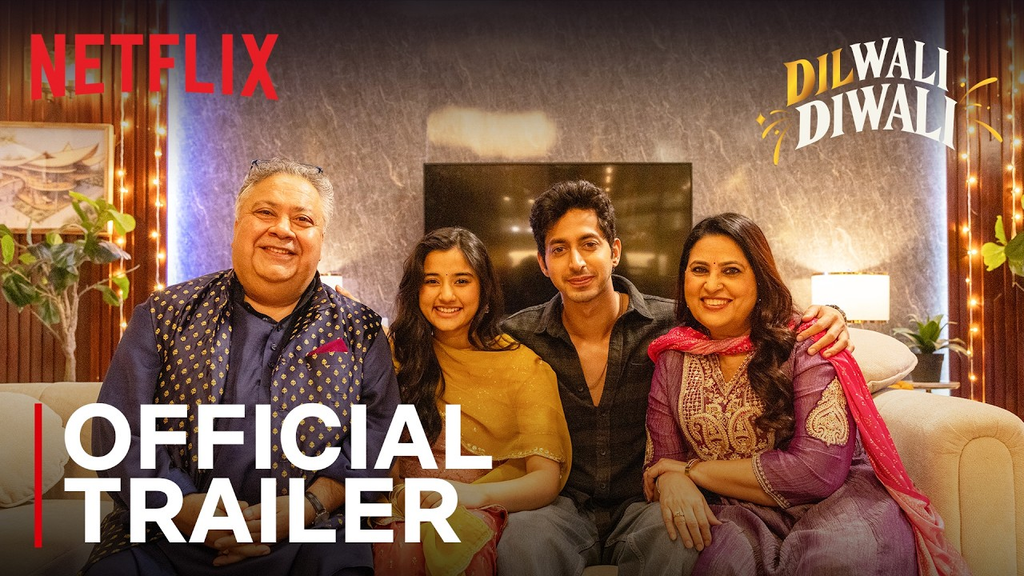
Performances: Manoj Pahwa and Neelu Kohli Are the Film’s Strengths
Manoj Pahwa brings natural warmth and quiet authority to his portrayal of Ansh’s father. He understands the character’s attachment to his home and neighbourhood, giving the role a believable mix of humour, affection and stubbornness. His performance adds much-needed personality to a narrative that occasionally struggles to hold attention.
Neelu Kohli complements him as Sukhmani, a mother caught between appreciating her son’s efforts and remaining attached to the familiar comforts of her life. She brings an understated emotional quality to the character, making her a convincing part of the family dynamic.
Mihir Ahuja is convincing as Ansh, the well-meaning son who believes he knows what is best for his parents. However, the character could have benefited from greater emotional complexity. The film gives him a clear motivation, but does not always allow his internal conflict to develop beyond the central disagreement.
Aurra Bhatnagar Badoni makes a pleasant impression as Mahi, adding to the warmth of the family ensemble. The actors share a comfortable screen presence, and their performances help make the household feel lived-in. The problem is not the cast but the limited scope of the writing, which leaves several emotional possibilities unexplored.
Music and Technical Aspects: Songs Add to the Festive Mood
The music is among the film’s more pleasant elements. The three songs, ‘Tappa’ (Amreeka VI), ‘Ghar Lagda’ and ‘Yeh Duniya’, are woven into the narrative rather than appearing as unnecessary interruptions. They contribute to the festive atmosphere and occasionally provide the emotional lift that the screenplay itself struggles to sustain.
The production values are competent for a streaming family drama. The Diwali setting gives the film an inviting visual appeal, while the overall presentation remains functional rather than particularly inventive. The festive backdrop supports the story, but the visual treatment does not bring a distinctive cinematic identity to the proceedings.
Dilwali Diwali Review: Final Verdict
Ritesh Menon’s Dilwali Diwali is a gentle family drama with a meaningful central idea and a cast that understands its emotional world. Manoj Pahwa and Neelu Kohli bring warmth and credibility to their roles, while Mihir Ahuja and Aurra Bhatnagar Badoni contribute to the film’s comfortable family atmosphere.
However, the predictable situations, limited dramatic momentum and stage-play-like treatment keep the film from reaching its full potential. Its message about respecting family members’ choices is worthwhile, but the storytelling needed more imagination and emotional complexity to make that message truly resonate.
The film may appeal to viewers looking for a light, family-oriented Diwali drama, but those expecting a fresh or particularly engaging story may find it underwhelming.