









Bollywood’s growing obsession with nostalgia is showing no signs of slowing down. Just when audiences thought the re-release wave had peaked, another iconic film is stepping back into the spotlight.
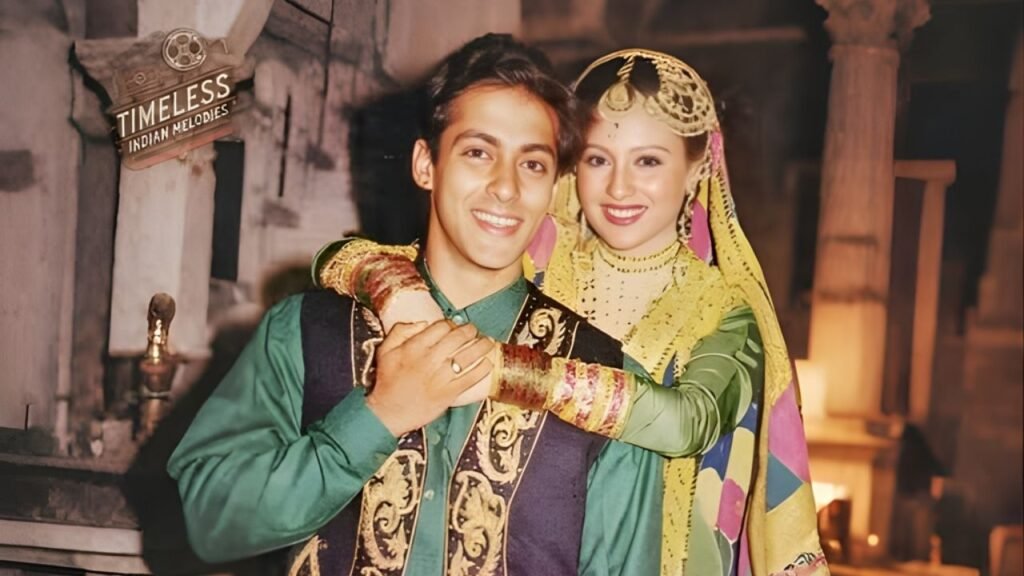
This time, it’s Sanam Bewafa—the 1991 romantic action drama that helped cement Salman Khan’s early stardom. The film is set to re-release in cinemas on April 10, bringing with it a mix of nostalgia, curiosity, and renewed excitement.
For many fans, this isn’t just a film—it’s a memory waiting to be relived.
Why Sanam Bewafa Is Re-Releasing Now
Re-releases have quietly turned into one of Bollywood’s most intriguing box office trends. While the concept isn’t new, the scale has changed dramatically in recent years.
In 2024, several films returned to theatres, but it was 2025 that truly amplified the trend. The surprising success of Sanam Teri Kasam as a re-release proved that audiences are willing to pay for nostalgia—if the emotional connect is strong.
Earlier this year, Tere Naam, another Salman Khan classic, made its way back to cinemas and managed to draw in a decent crowd.
Now, Sanam Bewafa is following the same path. According to trade insiders, the timing couldn’t be more strategic.
With newer releases like Dhurandhar The Revenge slowing down and Bhooth Bangla getting postponed, there’s a noticeable gap in theatre programming. That gap creates an opportunity—one that Sanam Bewafa is perfectly positioned to fill.
Limited Release, But Growing Footprint
As of now, bookings for Sanam Bewafa are visible in select cities such as Hyderabad, Indore, and Jalgaon. However, industry sources suggest that the film’s reach is expected to expand rapidly.
Unlike big-budget releases, re-releases often begin with a limited rollout. If audience response is strong, exhibitors quickly add more shows and screens.
In Hyderabad, one of the most notable venues screening the film is AMB Gachibowli, where it will be showcased in a premium all-recliner format. This blend of old content and modern viewing experience is a key factor driving interest.
At the same time, the film is expected to perform strongly in mass circuits—single-screen theatres and smaller cities where Salman Khan’s fan base remains deeply loyal.
A Film That Defined Early Salman Khan
What makes Sanam Bewafa particularly special is its place in Salman Khan’s career.
Interestingly, it remains the only film in which Salman Khan played a character named “Salman.” For fans, that detail alone adds a layer of charm and uniqueness.
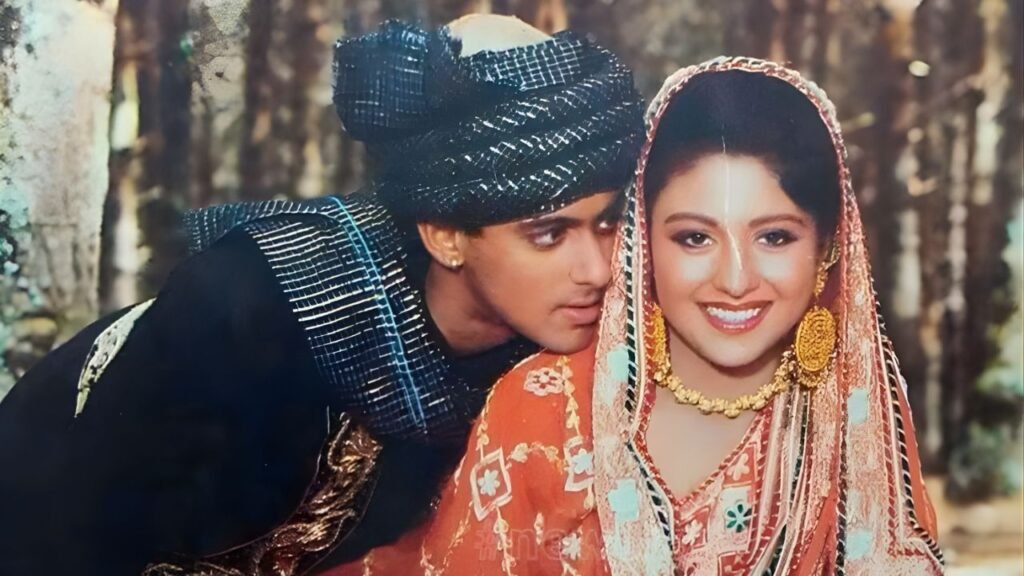
The film also marked the debut of actress Chandni and featured a strong supporting cast, including Danny Denzongpa, Pran, Puneet Issar, and Jagdeep.
Directed by Saawan Kumar Tak, the film blended romance, action, and family drama—a formula that resonated strongly with audiences in the early 1990s.
The Music and Magic That Made It Timeless
If there’s one element that continues to define Sanam Bewafa, it’s its music.
Composed by Mahesh-Kishor, the soundtrack became immensely popular and played a significant role in the film’s success. Songs from the film are still remembered and enjoyed today, especially among audiences who grew up in the 90s.
In a past interview, Puneet Issar reflected on the film’s enduring appeal, calling it “timeless.” According to him, it was the combination of memorable music and Salman Khan’s charisma that turned the film into a massive hit.
That emotional connection is precisely what re-releases aim to tap into.
When Cinema Was an Event
Revisiting Sanam Bewafa also means revisiting an era when watching films in theatres was a collective celebration.
Puneet Issar once shared how he and Salman Khan would visit cinemas to observe audience reactions. What they witnessed was nothing short of extraordinary.
Viewers would whistle, dance, and even throw coins at the screen—a tradition that symbolized appreciation in single-screen theatres.
That kind of energy is rare today. But re-releases offer a chance to recreate at least a part of that experience, especially for younger audiences who have only heard stories about it.
The Rise of the Re-Release Culture
The return of Sanam Bewafa is part of a broader shift in how audiences consume cinema.
Streaming platforms have made films easily accessible, but they haven’t replaced the theatrical experience. Instead, they’ve increased the value of it.
Watching a film like Sanam Bewafa in a theatre isn’t just about the story—it’s about the atmosphere, the sound, and the shared reactions of the audience.
Re-releases thrive on this emotional and experiential appeal. They remind viewers why cinema halls continue to matter.
Will Sanam Bewafa Work Again?
The big question is whether Sanam Bewafa can replicate even a fraction of its original success.
The answer lies in its audience.
For older viewers, it’s a chance to relive nostalgia. For younger audiences, it’s an opportunity to discover a film that shaped an era.
Salman Khan’s enduring popularity also plays a crucial role. Even decades later, his early films continue to attract attention, proving the strength of his star power.
While the film may not achieve blockbuster numbers, it doesn’t need to. Even moderate success would reinforce the viability of re-releases as a sustainable trend.
A Strategic Move for Bollywood
From an industry perspective, re-releases offer several advantages:
- Low marketing and production costs
- Guaranteed audience familiarity
- Flexible screening schedules
- Opportunity to monetize legacy content
For exhibitors, they provide a way to keep screens active during slow periods. For producers, they unlock additional revenue streams.
Sanam Bewafa fits perfectly into this model—an established title with proven appeal, returning at a time when theatres need content.
The Emotional Connect Still Matters
Beyond numbers and strategy, what truly drives a film like Sanam Bewafa is its emotional resonance.
It’s a film rooted in themes of love, family, and conflict—elements that remain universally relatable. While storytelling styles have evolved, these core emotions continue to connect with audiences.
That’s why some films never really fade away. They simply wait for the right moment to return.
Jay-Ho Buzz
The return of Sanam Bewafa is more than a nostalgic exercise—it’s a reflection of how cinema continues to evolve while staying connected to its roots.
For Salman Khan fans, it’s a chance to revisit one of his early milestones. For Bollywood, it’s another step in the growing re-release movement. And for audiences, it’s an invitation to experience a different era of storytelling on the big screen.