






The red carpet at the Cannes Film Festival is often remembered for glamour, couture, and celebrity spectacle. But this year, Ruchi Gujjar chose to make it about something deeper.
Her appearance was not merely a fashion moment. It was a statement.
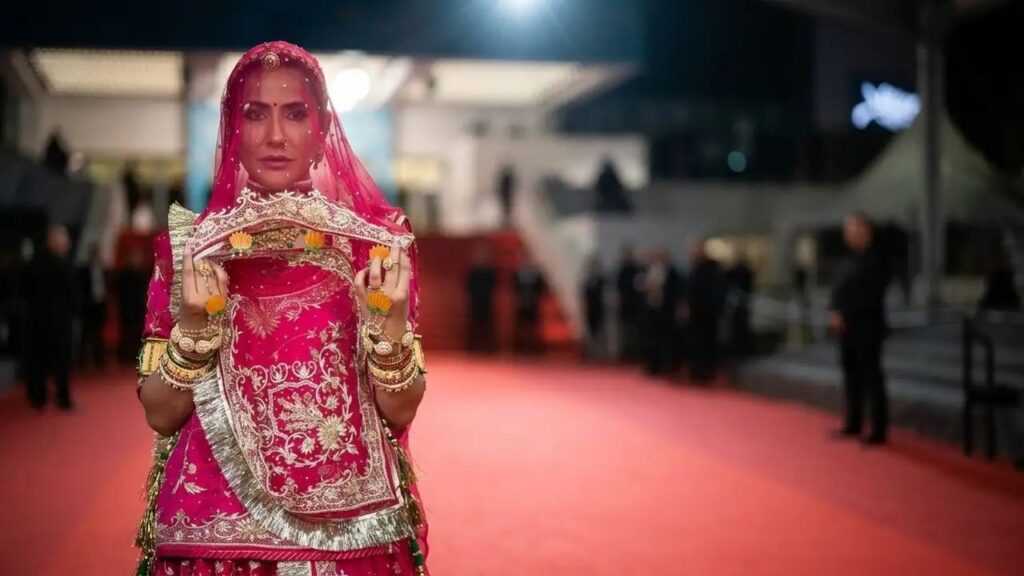
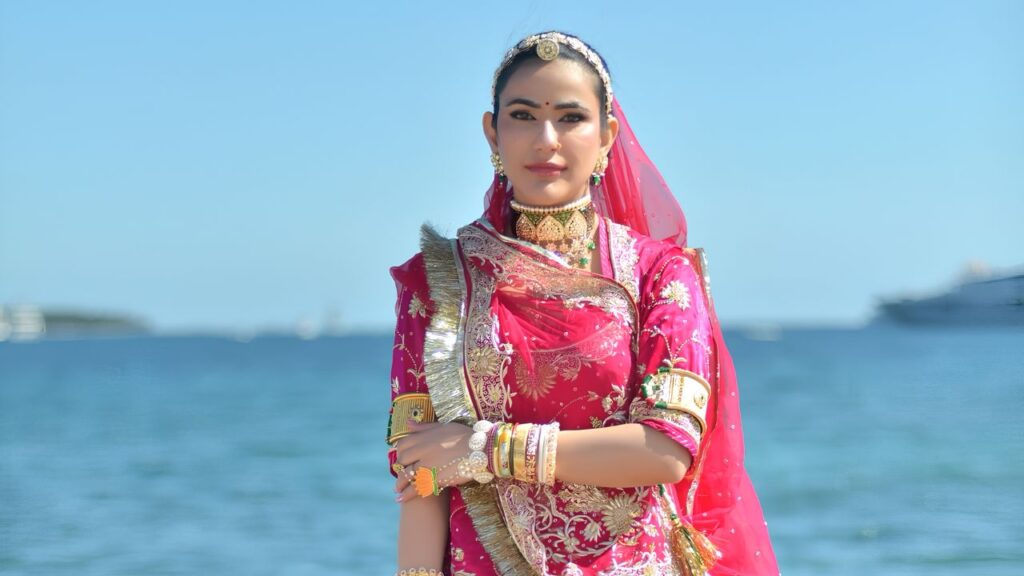
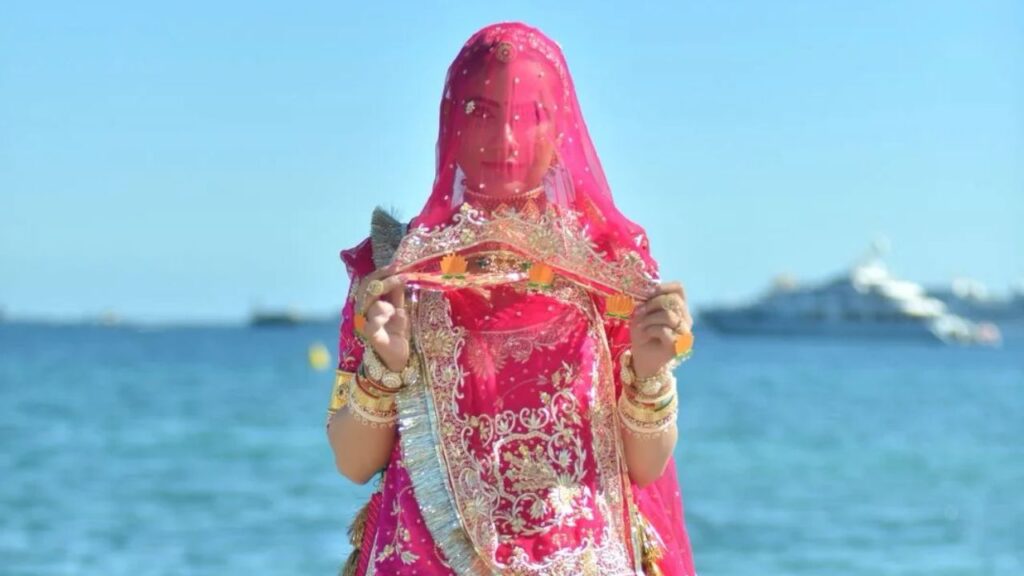
Wearing a regal Rajasthani-inspired ensemble complete with a traditional ghoonghat, Ruchi Gujjar transformed her Cannes presence into a conversation about women’s identity, freedom, and the social expectations attached to tradition.
And the internet noticed immediately.
The Meaning Behind the Ghoonghat
At first glance, the look appeared rooted in royal Rajasthani heritage — a beautifully embroidered pink lehenga detailed with intricate silver zari work, complemented by authentic jewelry and a sheer veil draped gracefully over her head.
But the symbolism behind the styling carried far more weight.
Speaking about her appearance, Ruchi said, “I did not wear the ghoonghat to stay silent, but as a form of protest. Women deserve respect through equality, confidence, and freedom.”
That single statement shifted the narrative around the look entirely.
The Ruchi Gujjar Cannes look was no longer just about aesthetics. It became about reclaiming symbolism.
Fashion and Protest Meet on a Global Platform
Cannes has increasingly evolved into a space where fashion intersects with politics, identity, and cultural expression. Celebrities today often use global red carpets not only to showcase designers but also to communicate ideas.
Ruchi Gujjar’s appearance fits directly into that evolving language of fashion activism.
By wearing the ghoonghat — a symbol historically associated with modesty, restriction, and patriarchal expectations in many communities — while simultaneously speaking about freedom and equality, she reframed its meaning through visibility and choice.
That contradiction is exactly what made the moment powerful.
A Personal Connection to Rajasthan
What made the appearance feel even more authentic was Ruchi’s personal connection to the culture she represented.
Hailing from Rajasthan herself, her look did not feel costume-like or performative. Instead, it carried emotional and cultural familiarity.
The styling celebrated heritage without romanticising silence.
This balance between cultural pride and social commentary is what helped the Ruchi Gujjar Cannes look resonate across audiences.
Designer Rupa Sharma’s Vision Behind the Look
The ensemble was specially curated by designer Rupa Sharma, who blended traditional craftsmanship with symbolic storytelling.
The intricate silver zari embroidery, layered jewelry, and flowing silhouette maintained the richness of traditional Rajasthani aesthetics while allowing the overall presentation to feel modern and internationally impactful.
Rather than overpowering the message, the styling amplified it.
Social Media Reactions and Global Attention
Soon after her appearance surfaced online, social media platforms filled with reactions praising the emotional depth behind the look.
Many users called it one of India’s most socially meaningful appearances at Cannes this year, while fashion observers appreciated the way the ensemble balanced visual grandeur with a conversation around women’s agency.
International fashion circles also took note of how the appearance used Indian cultural symbolism in a politically aware and emotionally layered way.
Why This Cannes Moment Feels Different
Fashion statements at global festivals are common. But moments that genuinely trigger reflection are rare.
The reason the Ruchi Gujjar Cannes look stands out is because it invited conversation rather than simply demanding attention. It challenged audiences to rethink whether traditions should exist as expressions of identity or instruments of silence.
That distinction gave the appearance emotional gravity beyond the red carpet.
JayHo Glam Studio
Ruchi Gujjar’s Cannes appearance reflects a growing shift in celebrity fashion culture — where clothing is no longer just visual spectacle but narrative expression.
By combining Rajasthan’s traditional aesthetics with a message centered around women’s voice and freedom, she transformed a global fashion platform into a moment of cultural introspection.
In an environment dominated by fleeting glamour, that kind of emotional and social clarity naturally leaves a lasting impression.
If stories like these are why you love entertainment, stay connected with Jay-Ho for the latest from Bollywood, OTT, music, and pop culture, and promote your events worldwide with Jay-Ho Events — from ticket sales to media coverage, all in one place.
FAQ Section
1. Why is Ruchi Gujjar’s Cannes look being discussed online?
Her traditional Rajasthani ghoonghat-inspired outfit carried a strong social message about women’s freedom and identity.
2. What did Ruchi Gujjar say about the ghoonghat?
She said she wore it “not to stay silent, but as a form of protest” against limiting women’s voices.
3. Who designed Ruchi Gujjar’s Cannes outfit?
The ensemble was designed by Indian designer Rupa Sharma.
4. What made the Cannes appearance impactful?
The look combined Indian cultural heritage with commentary on equality, confidence, and women’s independence.